
Search
Grantees
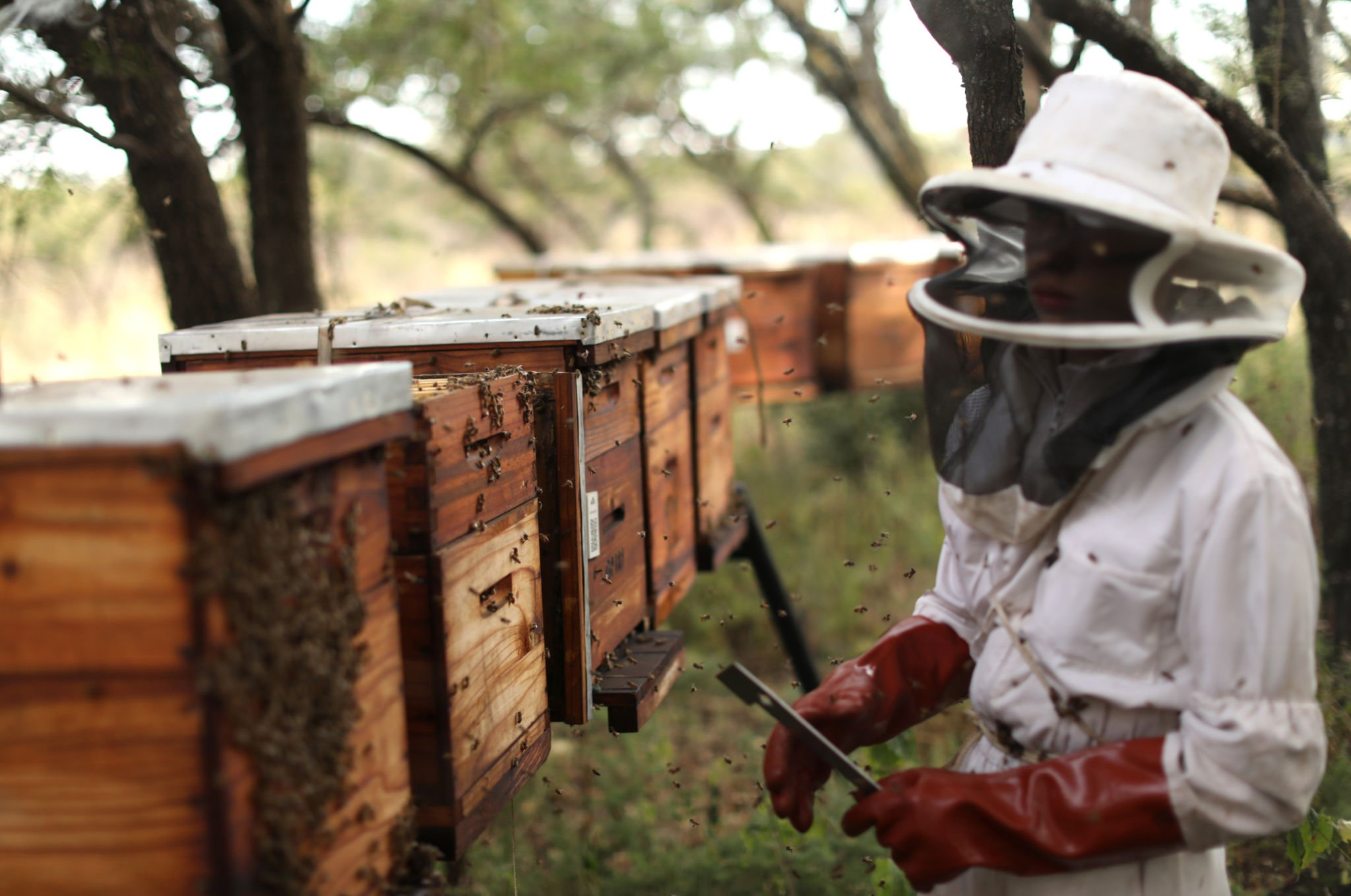
Bees and Agroforestry for Community Resilience (Makuli Bee Keepers)
Prolonged drought across most of the Horn of Africa, spanning up to four missed rain seasons, has resulted in significant vegetation loss. This can be attributed, in part, to the limited regrowth potential, as well as factors such as frequent forest fires, ongoing harvesting for fuel, construction, and various other purposes. In Makuli Village, situated in Makueni County, Kenya, this situation has gradually led to the decline of critical ecosystems. This includes a reduction in the population of trees that serve as habitats and food sources for bees and other pollinators. Consequently, the community has experienced adverse effects, including diminishing bee populations, drying rivers, and a decrease in soil fertility, among other challenges.
The primary challenge was to assist the community in pinpointing effective solutions for adapting to the local climate variations, ultimately strengthening their adaptive capacity to manage climate change impacts.
With the support of CJFRA, the Makuli Beekeepers, a local Community-Based Organization (CBO), took the lead in addressing the climate risk. Their main intervention was the cultivation of trees that could augment microclimates and draw in bees. Furthermore, this nature-based approach aimed to enhance household food production.
The initial project results that have been documented include:
- Improved local microclimates: The Makuli residents have shown a notable 50% increase in the adoption rate, as evidenced by a greater uptake of tree seedlings.
- Increased family incomes from beekeeping: The community has experienced an uptick in the availability and usage of modern beehives. This has led to a significant increase in the frequency of honey harvesting, which has now gone up from twice a month to thrice a month.
- Improved Household Food Security: Households that successfully embraced vertical gardening have witnessed an improvement in their food security. This positive outcome is a testament to the effectiveness of this approach in enhancing access to fresh produce.