Welcome to Climate Justice Impact Fund for Africa (CJIFA)

    News

    Star InactiveStar InactiveStar InactiveStar InactiveStar Inactive

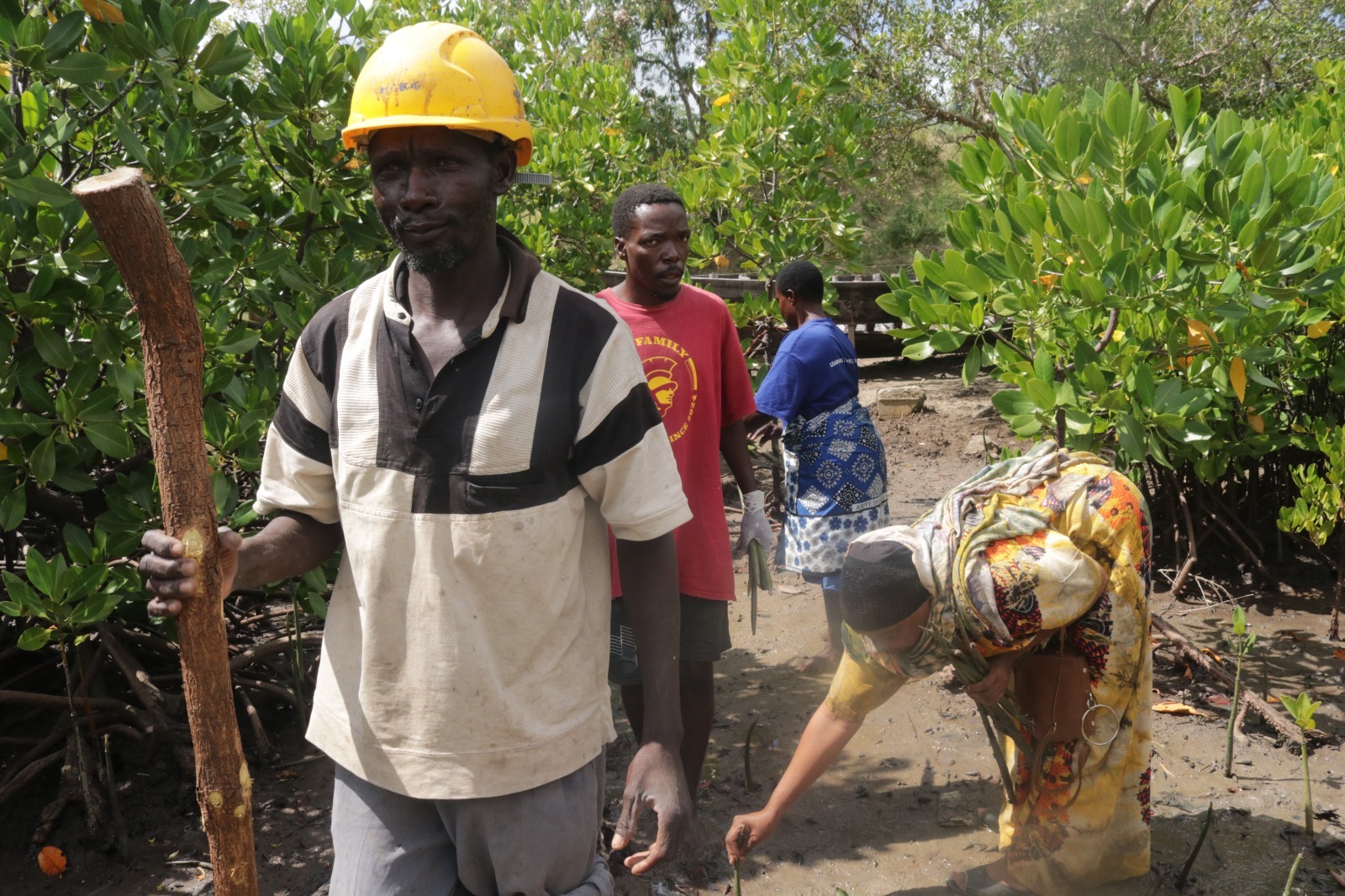
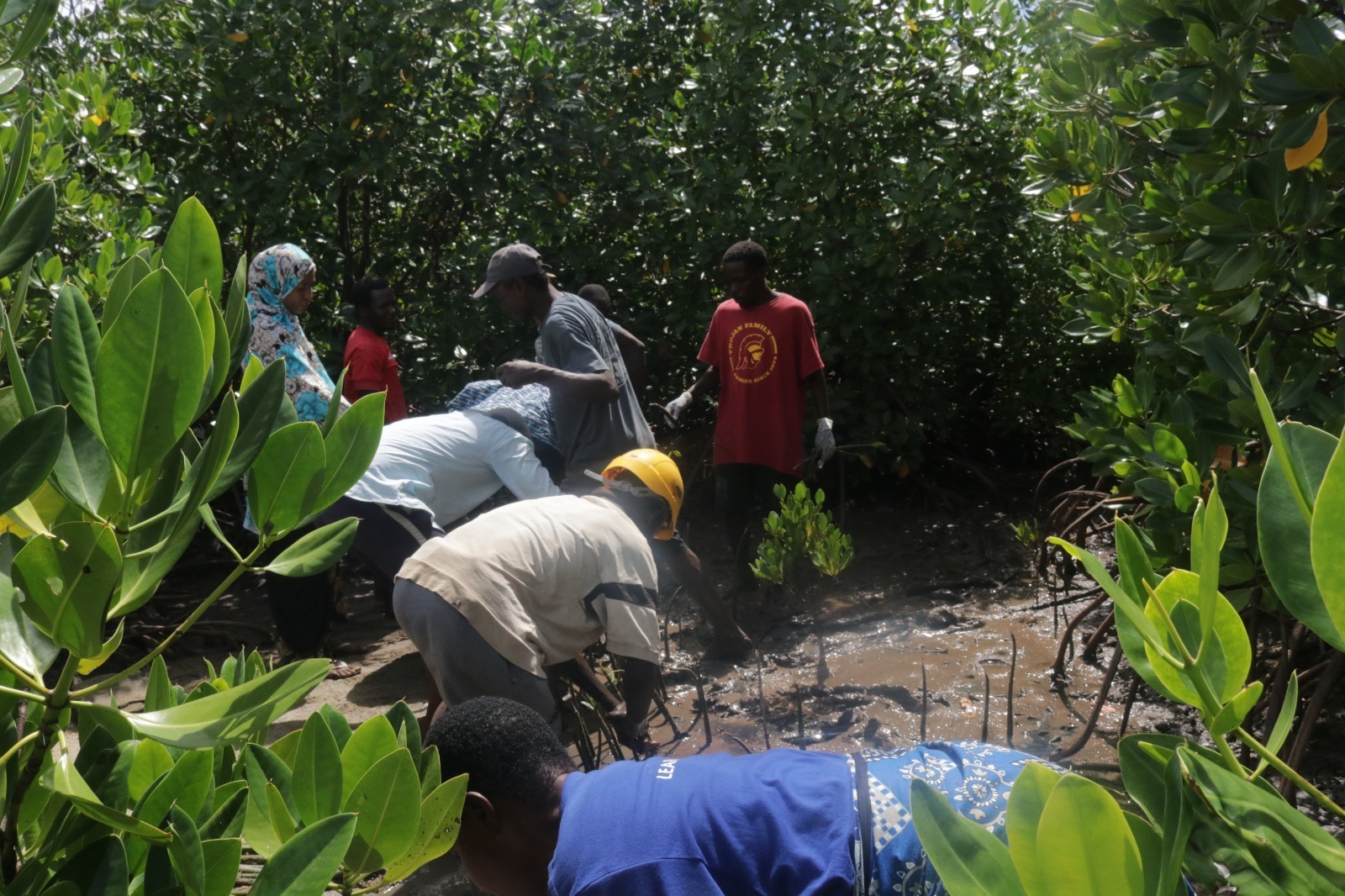
    Along Port Reitz Creek in Mombasa County, members of the Kitanga Juu and Ngare Beach Management Units are taking action to restore mangroves that have long supported their livelihoods and protected the coastline.


    For these communities, mangroves are more than trees. They provide important habitats for fish and other marine life, support biodiversity and help protect the shoreline. But years of illegal cutting, pollution and other human activities, combined with climate pressures, have left parts of the ecosystem degraded.


    “This initiative has brought our community together. We now feel responsible for protecting the mangroves because we understand they are essential for healthy fisheries and for reducing the impacts of climate change,” says Mwinyikai Mwinyihaji, a member of Ngare Beach Management Unit.


    Mwinyihaji is among community members participating in a mangrove restoration initiative under the Resilient Tides Project, implemented by KIOTA Organization with support from the Climate Justice Impact Fund for Africa (CJIFA). The initiative is helping local communities restore degraded coastal ecosystems while strengthening their role in protecting the natural resources on which their livelihoods depend.


    The need for restoration is closely linked to the lives of people around Port Reitz Creek. Many households depend on fishing, while women and young people also participate in activities connected to the marine economy.


    As mangrove cover declines, communities have observed changes in the coastal environment, including declining fish catches and increased shoreline erosion in areas where mangroves have been lost.


    The community-led response has been practical.


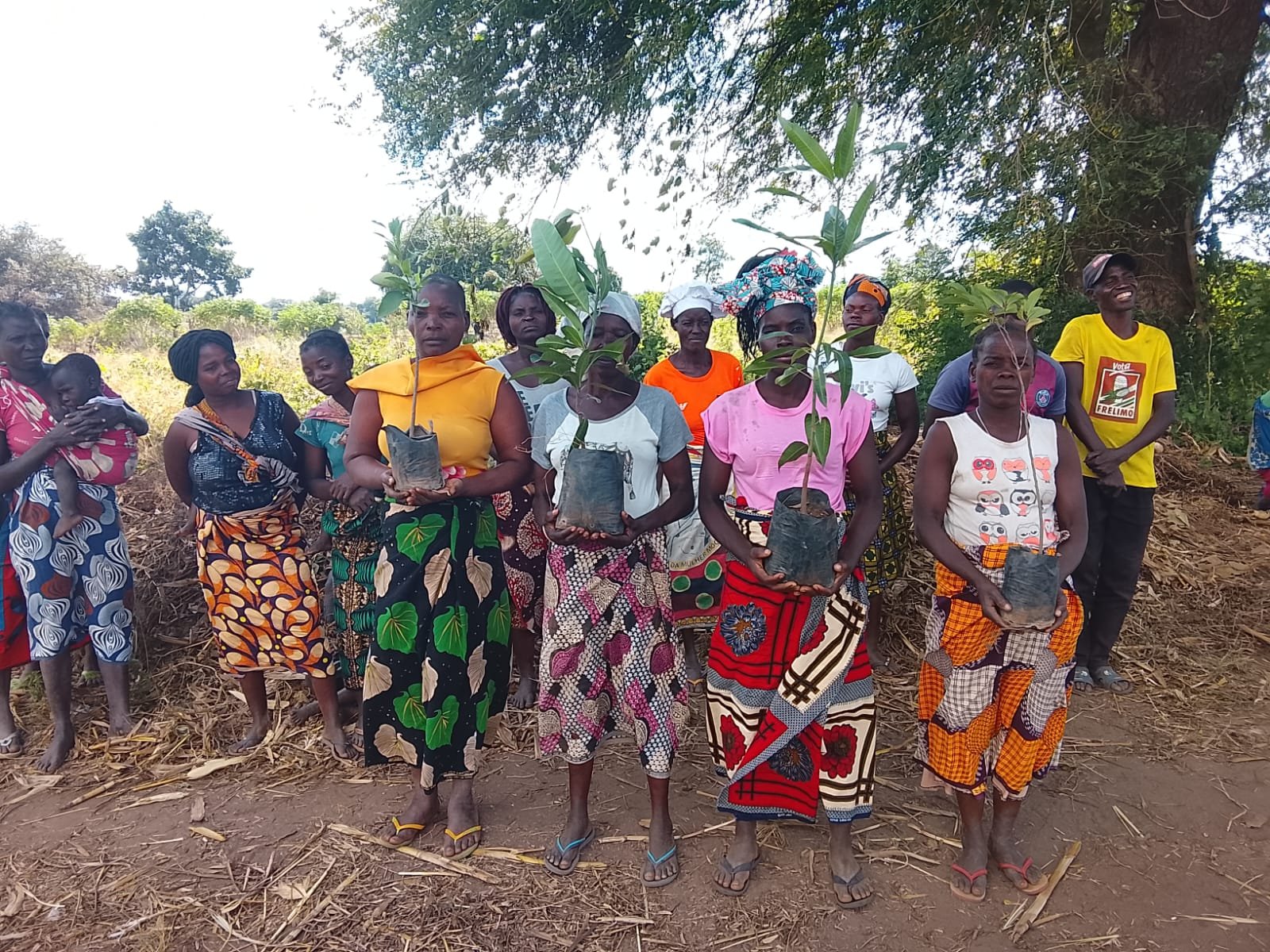
    Members of the Kitanga Juu and Ngare BMUs have come together to identify degraded areas, prepare planting sites and plant mangrove seedlings. Through the initiative, 500 mangrove seedlings have been planted in the two communities.


    The work has also involved community awareness and sensitisation on why mangroves matter and why newly planted seedlings need to be protected.


    For the community members taking part, restoration is not simply about putting seedlings into the ground. It is about taking responsibility for an ecosystem that supports their livelihoods.


    BMU leaders have helped coordinate the restoration activities, mobilise community members and identify suitable areas for planting. Local knowledge has also guided decisions around appropriate planting sites and seasons, as well as ways of protecting young seedlings.


    This local involvement is important because the community will remain at the centre of protecting and monitoring the restored areas.


    The planting of the 500 seedlings is an important early step, but the community recognises that restoration does not end after planting.


    Illegal cutting, pollution and other human activities continue to threaten mangroves. Limited resources for regular monitoring and maintenance also make it difficult to ensure that all newly planted seedlings survive.


    Community members and BMU leaders are responding by increasing awareness, monitoring planted areas and encouraging others to avoid activities that damage mangroves.


    They are also calling for continued support, including more seedlings, technical training, resources for monitoring and stronger partnerships to expand restoration efforts.


    For Mwinyihaji and other members of the BMUs, the work is about protecting what their community will depend on in the years ahead.


    The 500 seedlings planted through the Resilient Tides Project may be a beginning, but they represent something larger: a community choosing to take responsibility for restoring its coastal environment.


    As the seedlings grow, the community hopes they will contribute to healthier fish breeding habitats, stronger biodiversity and a more resilient coastline.


    For the people of Kitanga Juu and Ngare, restoring the mangroves is also an investment in their own future.


    Star InactiveStar InactiveStar InactiveStar InactiveStar Inactive

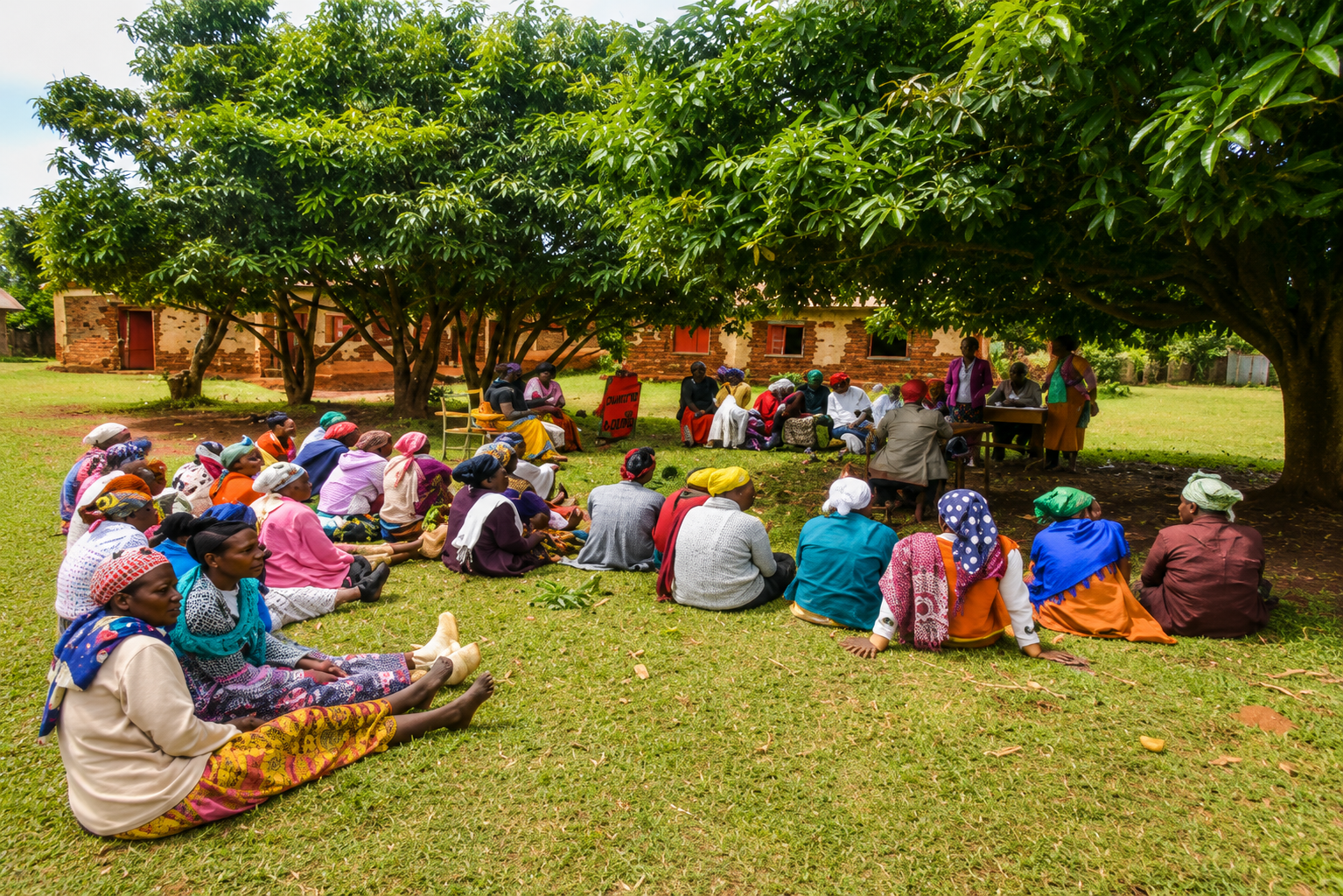
    In Cameroon’s South West Region, smallholder farmers are facing a changing climate that is making it harder to grow food and sustain their livelihoods.


    In communities across Fako Division, farmers are experiencing erratic rainfall, prolonged dry spells, flooding, rising temperatures, declining soil fertility and increasing crop pests and diseases. These changes are affecting productivity, household food security and incomes.


    Women and young farmers are among those facing the greatest challenges. Many have limited access to land, agricultural inputs, finance, extension services and timely climate information, leaving them more exposed to climate-related shocks.


    Responding to these challenges, the Alliance for Sustainable Development (ASDEV), a Cohort 5 sub-grantee of the Climate Justice Impact Fund for Africa (CJIFA), is working with farming communities in Fako Division to strengthen their resilience through climate-smart agriculture.


    The initiative, Building Resilience: Climate-Smart Agriculture for Sustainable Livelihoods in Buea, Fako Division, Cameroon, is putting farmers at the centre of the response.


    Before the initiative began, many farmers had limited knowledge of climate-smart agricultural practices. The baseline assessment found very low knowledge and use of practices such as drought-tolerant seeds, composting, agroforestry, cover cropping and climate-smart planting basins.


    ASDEV's approach has been to start with the communities themselves.


    Farmers, community leaders, agricultural extension officers, researchers and other local stakeholders helped identify the challenges affecting agricultural production and the knowledge and support farmers needed.


    The result is an approach shaped by local realities rather than a one-size-fits-all solution.


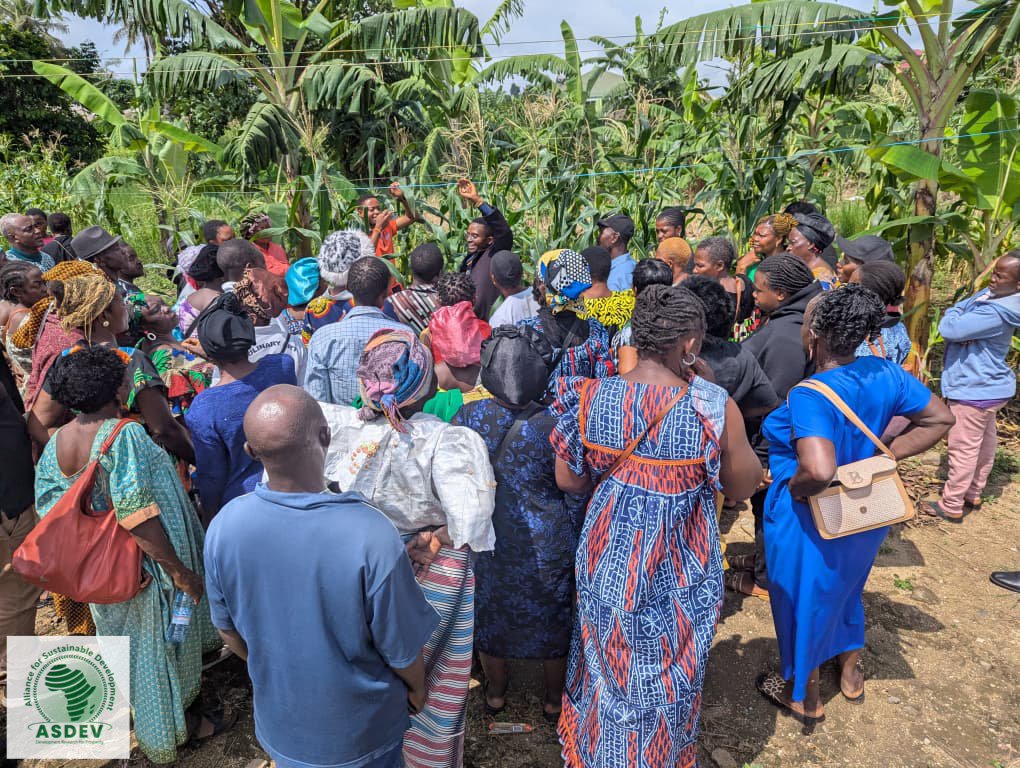
    Farmers are receiving practical training and participating in field demonstrations on climate-smart agriculture. They are learning about drought-tolerant and early-maturing seeds, mulching, composting, crop rotation, agroforestry, minimum tillage, intercropping, water harvesting and other practices that can help them respond to climate pressures.


    The action does not end when the training sessions are over.


    Through a dedicated WhatsApp advisory platform, farmers continue to engage with agricultural extension officers, researchers and technical experts. They can raise challenges from their farms, share experiences and receive advice as they put new practices into use.


    This is locally led climate action in practice.


    Farmers are not simply recipients of an intervention. Their experiences, knowledge and priorities are helping shape the response, while local institutions and technical partners provide the support needed to strengthen community action.


    The initiative is also bringing together farmers' existing knowledge with new agricultural approaches. Their understanding of local soils, rainfall patterns and farming systems is being combined with improved seed technologies and climate-smart practices suited to local conditions.


    So far, 215 smallholder farmers across Fako Division have directly benefited from the training, field demonstrations and continued advisory support.


    For farmers, the change is already visible in increased knowledge and confidence to make more informed decisions about their farms.


    Ketchem Rudolph, a young farmer from Muea village, says the training has given him the skills and knowledge to cultivate more sustainably.


    Another farmer, Etonjoh Anna Etoh from Wotutu village, says the training helped her better understand planting basins, a practice she had used before without fully understanding its benefits. She now plans to apply the knowledge during the coming farming season.


    The initiative is still at an early stage, with farmers preparing to apply many of the practices during the coming farming season. Its emerging impact is therefore not only about immediate changes in agricultural production, but about building the knowledge, confidence and local capacity needed for longer-term resilience.


    This is the kind of climate action that the Climate Justice Impact Fund for Africa seeks to support.


    CJIFA invests in locally led initiatives that are often closest to communities, closest to the problem and best placed to understand what solutions can work in their own context.


    These are the actions that can easily remain unfunded despite their importance.


    By supporting organisations such as ASDEV, CJIFA is helping move resources and decision-making closer to the communities living with the realities of climate change.


    In Fako Division, that support is helping farmers turn local knowledge into climate action, strengthen their resilience and take greater ownership of their response to a changing climate.


    Star InactiveStar InactiveStar InactiveStar InactiveStar Inactive

    Smallholder farmers in Ethiopia's Wolaita Zone are finding new ways to adapt to the impacts of climate change.


    Through climate-smart coffee farming and agroecological restoration, communities are strengthening their livelihoods while protecting their environment.


    The initiative is being implemented by the Center for Empowerment Ethiopia Association (CEE) with support from the Climate Justice Impact Fund for Africa (CJIFA).


    Communities in the area have been facing several climate-related challenges, including land degradation, declining soil fertility, soil erosion, unreliable water availability, and biodiversity loss.


    These challenges have affected agricultural productivity and increased the vulnerability of smallholder farmers.


    Women involved in coffee farming are among the most affected, as many households rely on rain-fed agriculture for both income and food security.


    To address these challenges, local communities are adopting climate-smart agricultural practices that improve productivity while restoring degraded landscapes.


    The initiative promotes sustainable coffee farming, indigenous tree planting, and better soil and water management practices.


    Demonstration plots have been established to train farmers on climate-resilient farming techniques. Farmers are also being supported to produce and use organic compost to improve soil health and conserve moisture.


    The project is promoting indigenous tree seedlings and agroecological land restoration to improve biodiversity and strengthen ecosystem resilience.


    Women are playing an important role in the initiative through coffee production and green enterprise development. Their participation is helping to strengthen local climate solutions while creating opportunities for economic empowerment.


    The initiative also supports community financial inclusion through partnerships with Savings and Credit Cooperative Organizations (SACCOs). These partnerships are helping communities access financial services that can support climate-resilient livelihoods.


    Local communities are actively involved in project planning, governance, monitoring, and decision-making processes. Community members contribute their knowledge and experiences to ensure that the solutions implemented are locally relevant and sustainable.


    The initiative combines indigenous knowledge with climate-smart innovations. Community-led seed selection, organic composting, and participatory governance are among the approaches being used to strengthen resilience.


    So far, the project has recorded positive progress. Communities have increased their participation in local governance structures, demonstration sites have been established, and efforts to restore degraded ecosystems are underway.


    Improved water management practices and indigenous tree planting are contributing to environmental restoration, while women-led enterprises are laying the foundation for more sustainable livelihoods.


    Despite the progress made, challenges remain. The initiative requires additional support for digital monitoring systems, technical mentoring, resource mobilization, and peer-learning opportunities to strengthen community-led climate action.


    The experience from Wolaita Zone demonstrates that locally led climate action can deliver meaningful results when communities are empowered to lead the process. By investing in local knowledge, women's leadership, and climate-smart practices, communities are building resilience for both people and the environment.


    CJiFA web

    The Climate Justice Impact Fund for Africa (CJIFA) was established to accelerate transformative climate action, the imperatives of climate justice and amplify voices of communities at the frontline of climate crisis in African countries and communities. It is aimed at producing lasting change that comes from the collective activism of those who are either structurally excluded, disempowered, exploited or stigmatized.

    Subscribe >>>

    Search