
In Mozambique's Sofala Province, communities continue to face the growing impacts of climate change, including recurrent floods, destructive winds, and widespread environmental degradation driven by deforestation. These challenges threaten livelihoods, food security, and the resilience of vulnerable communities.
At the forefront of addressing these challenges is the Women's Association for the Promotion of Community Development (AMPDC), a local non-profit humanitarian organization working to strengthen community resilience while protecting natural ecosystems.
Founded in 2007 and based in Beira City, AMPDC serves vulnerable communities, with a particular focus on women and orphaned children. Its work spans human rights, gender equality, social protection, and climate action, supporting communities to build more sustainable and resilient futures.
AMPDC's engagement in climate action intensified following Cyclone Idai in 2019, one of the most devastating natural disasters to hit Mozambique. The cyclone exposed the vulnerability of communities across Sofala Province and underscored the urgent need for locally led solutions that strengthen resilience to climate-related disasters.
To advance this mission, AMPDC received financial support in 2025 through the Climate Justice Impact Fund for Africa (CJIFA) as a Cohort 5 beneficiary. The funding enabled the organization to implement a community-led climate resilience project in Savane, Dondo District—an area heavily affected by deforestation and increasingly vulnerable to extreme weather events.
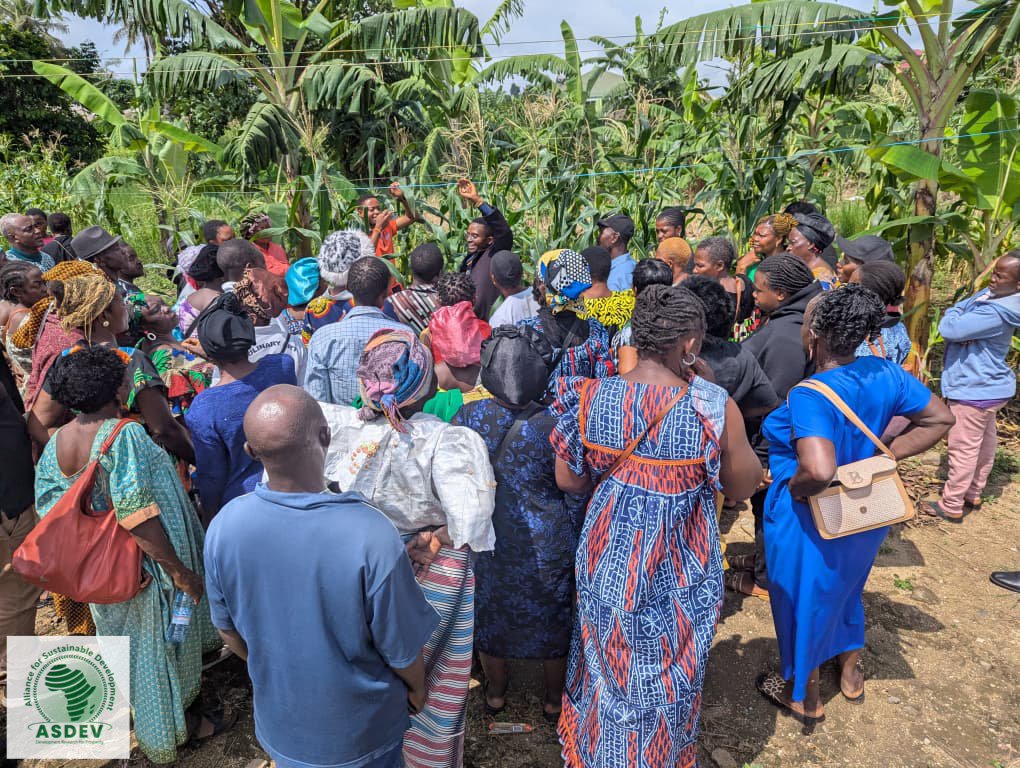
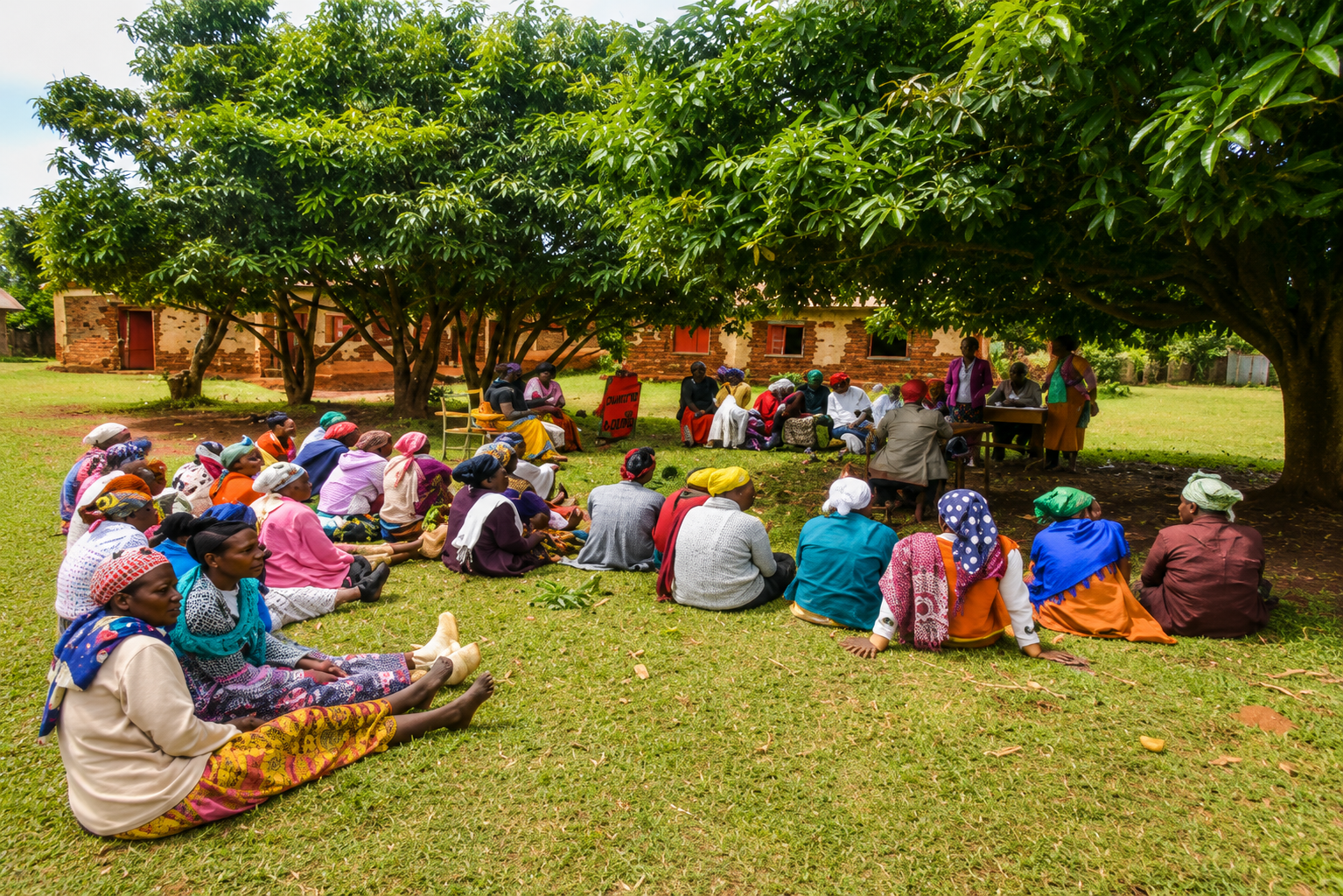
The project focused on empowering local communities to become stewards of their environment. Around 50 community members, half of them women, received training on climate change, sustainable natural resource management, and disaster risk reduction, equipping them with practical knowledge to respond to climate challenges while protecting local ecosystems.
To promote long-term community ownership, AMPDC facilitated the establishment of two local committees responsible for coordinating natural resource management and disaster risk reduction activities. These committees continue to serve as community platforms for climate awareness, environmental conservation, and emergency preparedness.
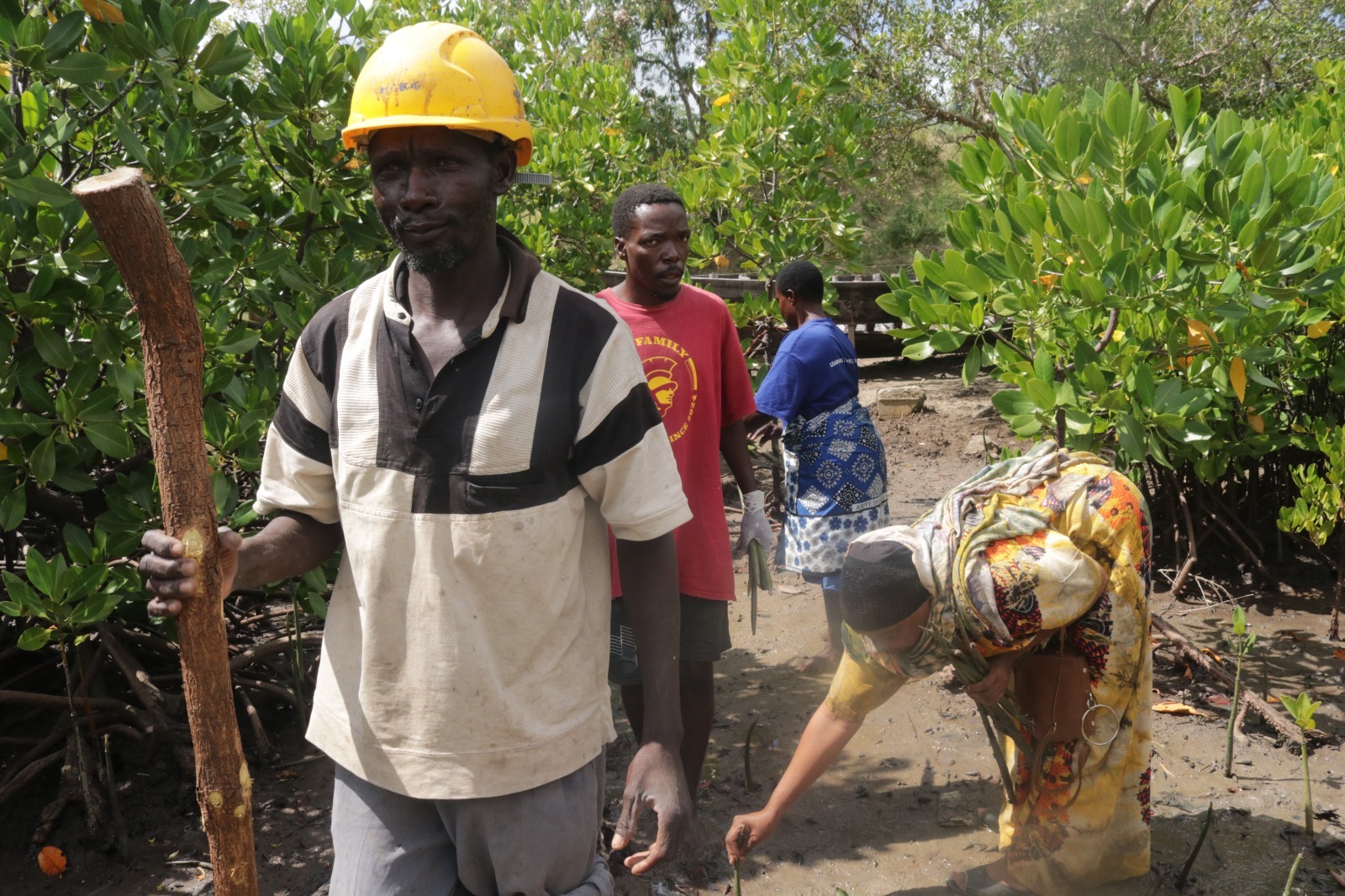
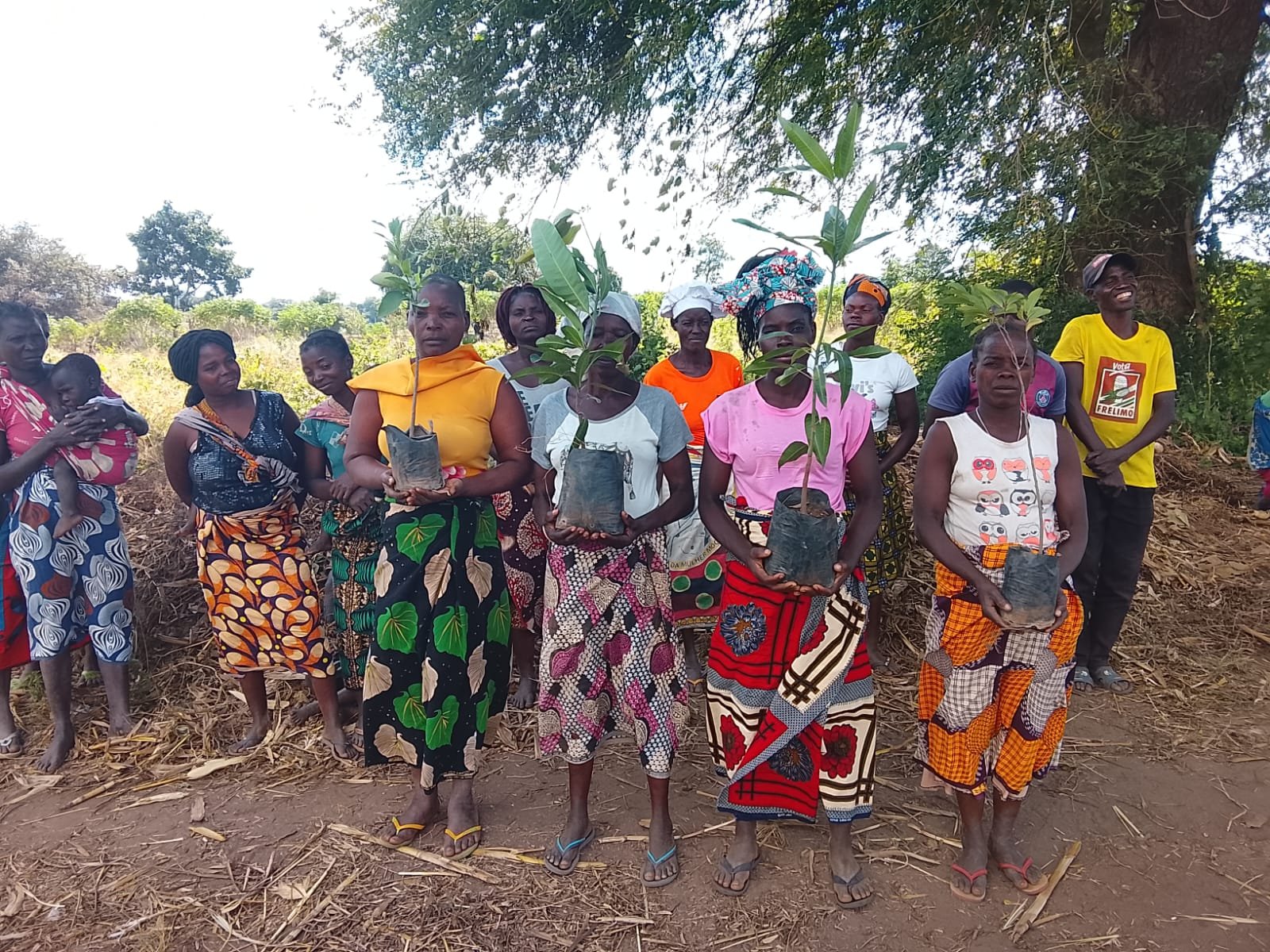
The initiative also supported ecosystem restoration efforts. Community members identified and mapped priority areas for reforestation and received nursery materials, including seedling bags, to establish nurseries for indigenous tree species and locally important fruit trees.
Beyond restoration activities, AMPDC engaged schools, community members, and charcoal producers in awareness campaigns promoting climate change adaptation, ecosystem conservation, and the protection of indigenous forests. These engagements strengthened community understanding of the close relationship between healthy ecosystems and climate resilience.
Today, despite limited resources, the community committees established through the project remain active. They continue to raise awareness on flood preparedness, promote sustainable environmental practices, and encourage collective action to reduce climate risks across their communities.
AMPDC's work demonstrates the transformative potential of locally led climate action. By investing in community knowledge, strengthening local leadership, and restoring degraded ecosystems, the organization is helping communities in Sofala Province build resilience from the ground up while safeguarding the natural resources on which their future depends.