
Women fish processors in Tanzania's Mwanza Region are adopting climate-resilient fish drying technologies to reduce post-harvest losses and improve their livelihoods.
The initiative is being implemented by Blue Victoria with support from the Climate Justice Impact Fund for Africa (CJIFA), in collaboration with UNESCO, local government authorities, and fisheries officers.
For many years, women processors at Mswahili Beach Management Unit (BMU) relied on traditional methods of drying fish directly on sand or old fishing nets. These methods became increasingly difficult as changing weather patterns brought unpredictable rainfall and high humidity.
Fish was often contaminated by dust, soil, insects, and animals, resulting in poor quality products and significant financial losses for women processors.
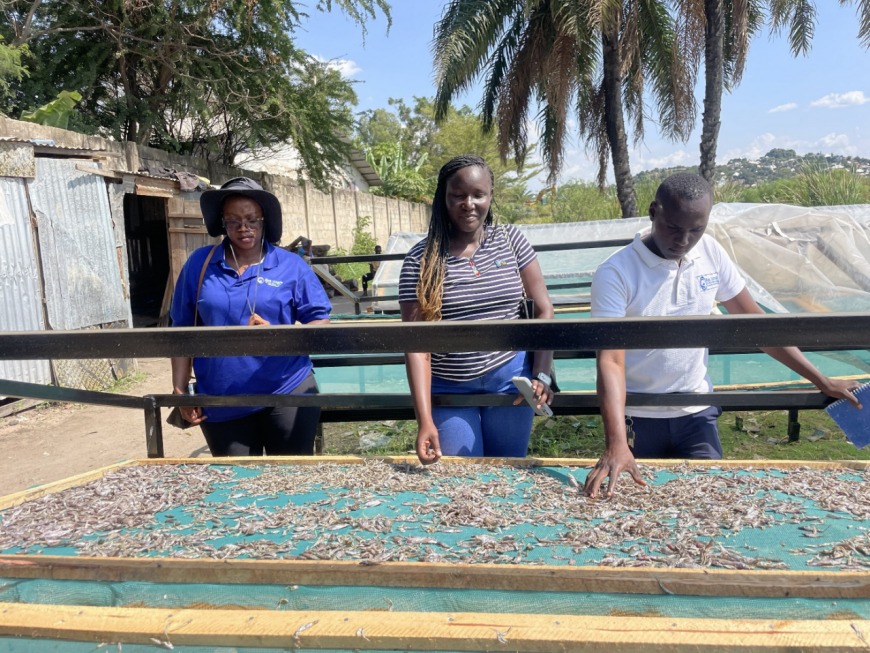
To address these challenges, the project introduced climate-resilient elevated fish drying racks designed to improve fish quality and protect products during the drying process.
Three elevated drying racks were constructed at Mswahili BMU using locally available materials. The technology provides a simple and affordable solution that is well suited for fishing communities around Lake Victoria.
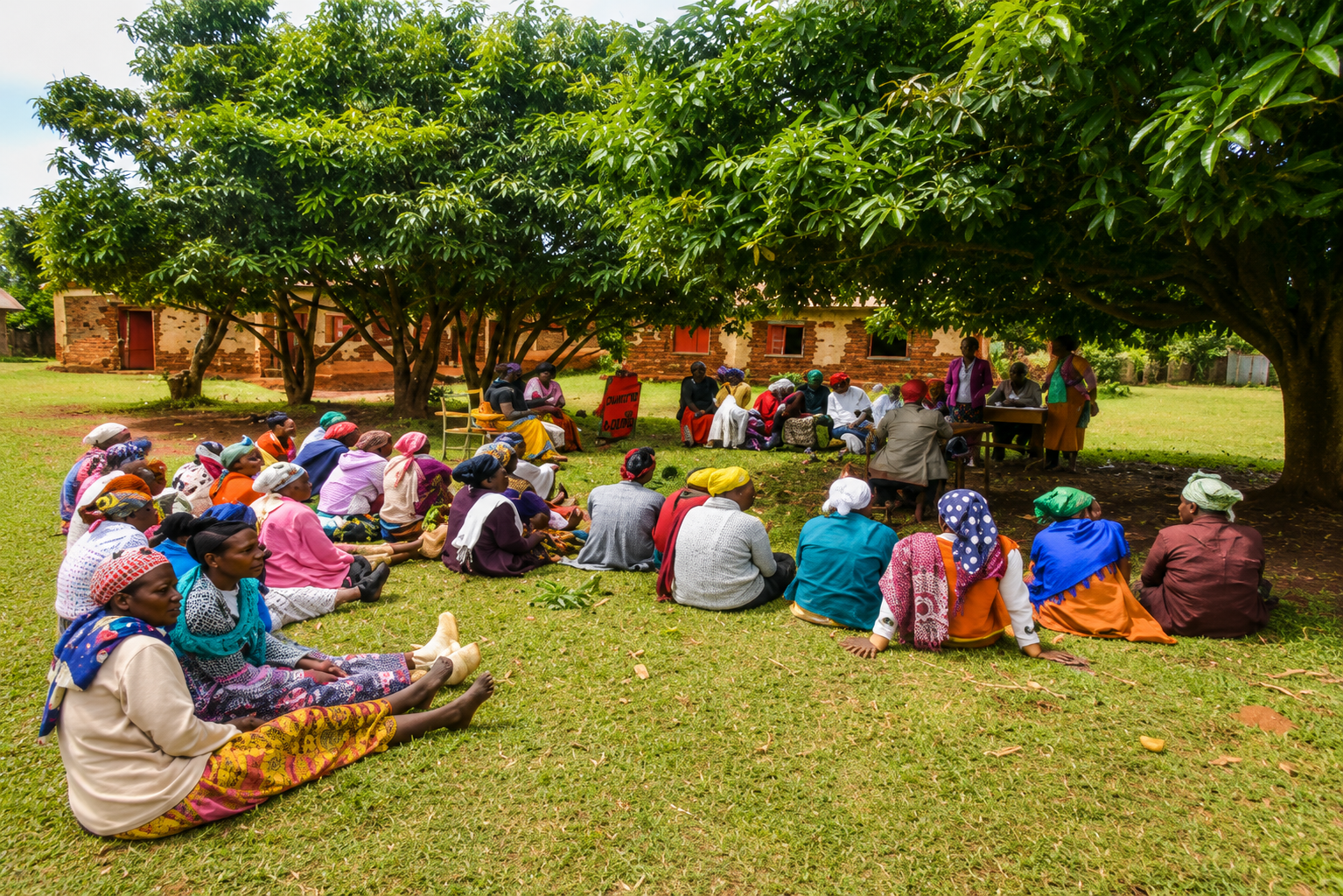
The initiative also provided practical training to 30 women fish processors on hygienic fish handling practices and climate adaptation measures. Fisheries officers offered technical support throughout the implementation process.
Local communities played an active role in selecting construction sites and participating in project implementation. Community ownership arrangements were established to ensure the drying racks are properly managed and maintained.
The project combines traditional fish processing knowledge with improved drying technologies. By building on existing community practices, the initiative has developed a locally led and climate-resilient solution that responds directly to the needs of women fish processors.
Since the introduction of the drying racks, women processors have reported improvements in fish hygiene and product quality. Cleaner drying practices have also helped reduce contamination and post-harvest losses.
Thirty women fish processors have directly benefited from the initiative. Their families, local fish traders, and consumers are also benefiting through improved fish quality and increased household income opportunities.
"Before these drying racks, we dried fish on the ground and lost a lot during the rainy season. Now our fish is cleaner, dries faster, and buyers are willing to pay better prices," said Amina Wambura, a woman fish processor at Mswahili BMU.
The initiative has also strengthened community participation in climate adaptation efforts and increased women's involvement in sustainable fisheries management.
Although the project experienced delays in obtaining regulatory approvals before construction began, community members remained engaged and participated in planning meetings throughout the process.
There is growing interest in expanding the initiative to other Beach Management Units around Lake Victoria. Additional support is needed to construct more drying racks, introduce solar drying technologies, and provide training opportunities for more women and young fish processors.
The experience at Mswahili BMU demonstrates that simple, locally driven technologies can help communities adapt to climate change while improving livelihoods and strengthening resilience in small-scale fisheries.