
For many women in rural northern Nigeria, access to water is more than a daily necessity, it is a matter of dignity, health, and opportunity. Yet despite being the primary managers of household water resources, women are often excluded from decisions about how water is governed and managed.
The Civil Alliance for Climate Protection and Education (CACPE), a recent beneficiary of the Climate Justice International Fellowship Alliance (CJIFA) Cohort 5, is working to change this reality through community-led climate justice action.
Founded in 2023 and based in Kano State, Nigeria, CACPE is a non-profit organization dedicated to advancing climate justice, environmental sustainability, and community resilience. Through initiatives focused on advocacy, clean energy, climate-smart agriculture, and environmental protection, the organization has already reached more than 9,500 people.
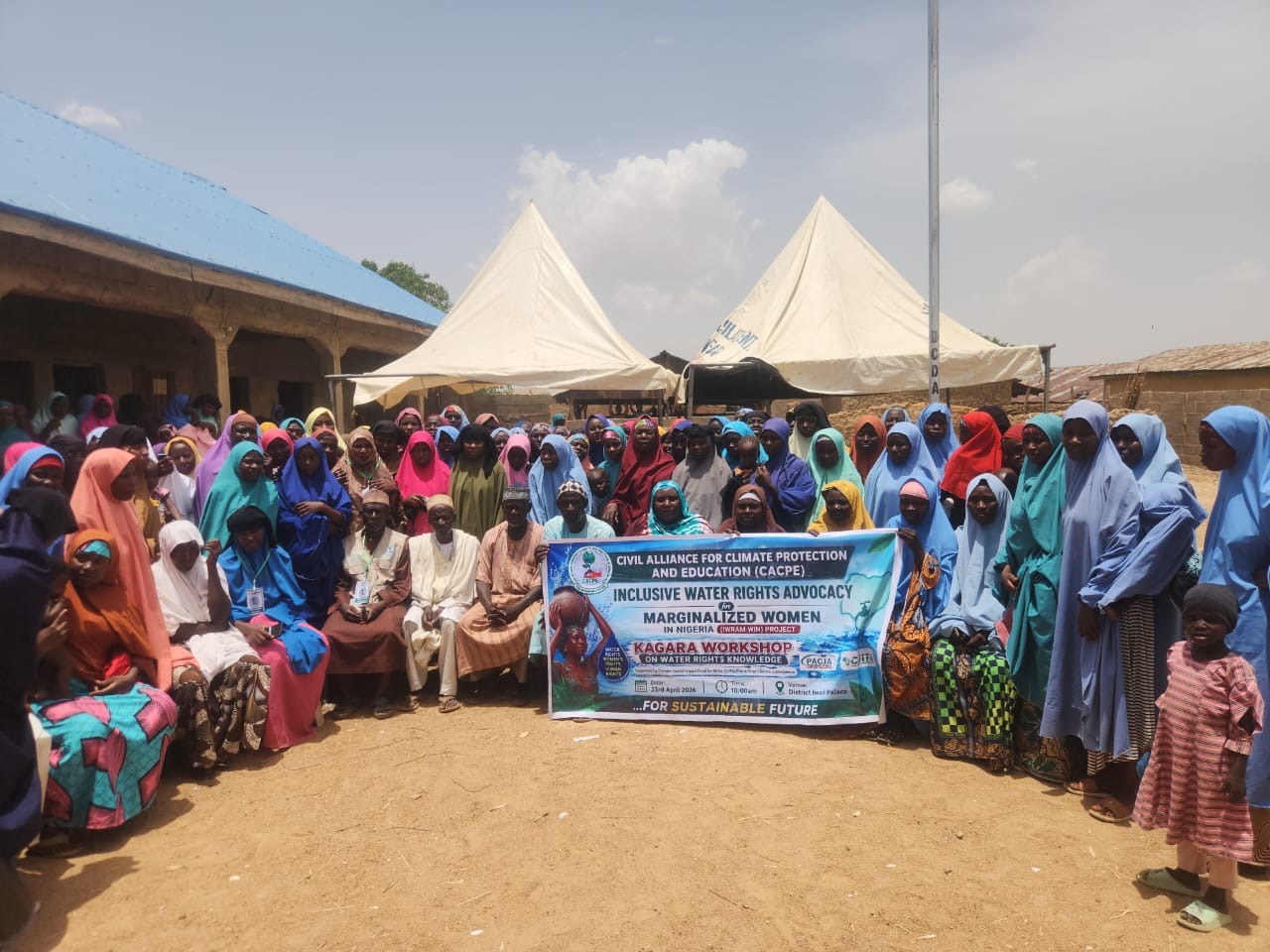
With support from CJIFA, CACPE launched the Inclusive Water Rights Advocacy for Marginalized Women in Nigeria (IWRAM-WIN) project in Zamfara State. The initiative seeks to address the exclusion of women from water governance and decision-making processes, despite the central role they play in managing household water needs.
The project began by listening to communities.
Through a baseline assessment conducted across three communities in Zamfara State, CACPE engaged 229 community members to better understand local water challenges and identify barriers limiting women's participation in water governance.
The findings reinforced the need for stronger representation of women in local decision-making structures.
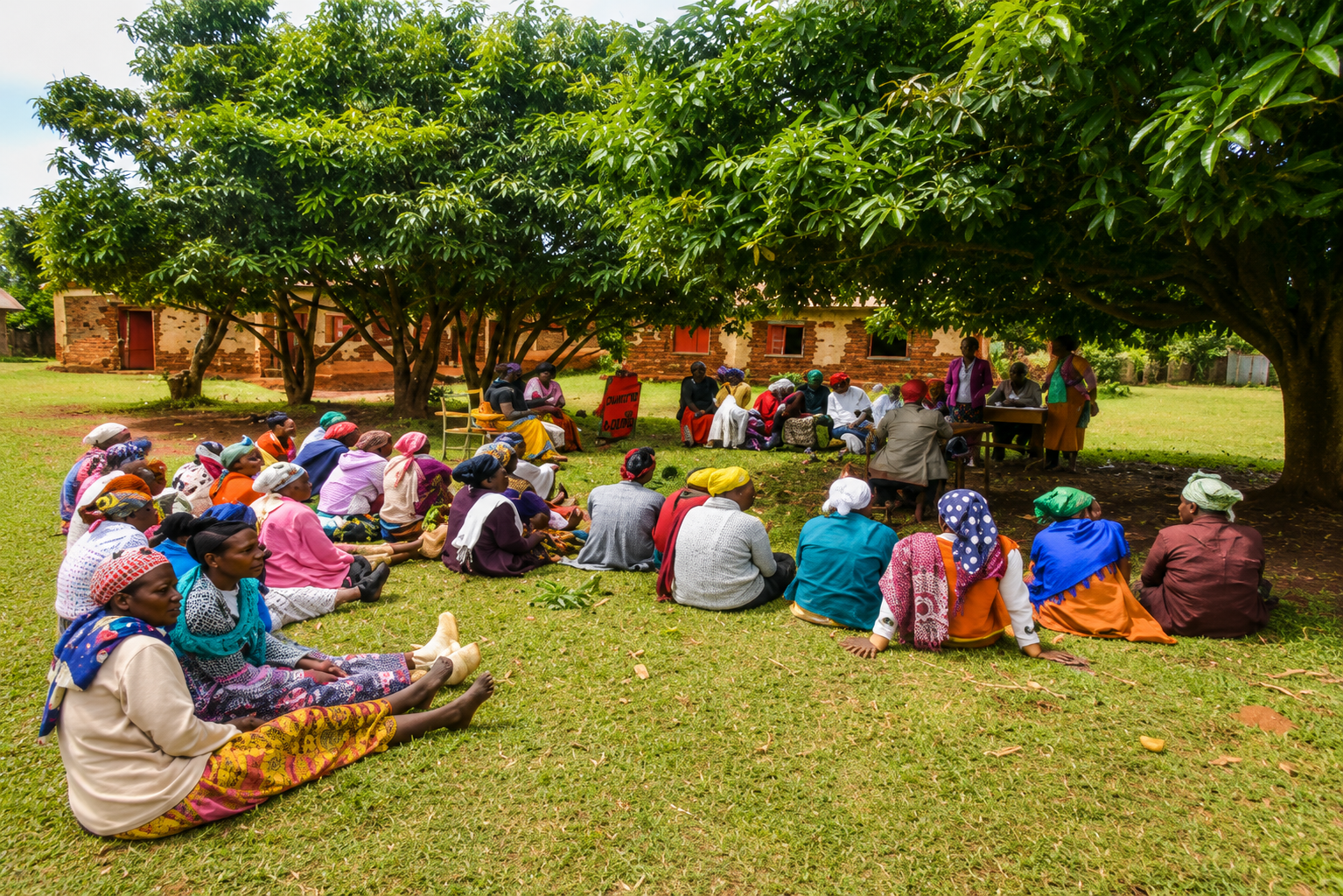
In response, CACPE facilitated the establishment of three Women Water Rights Committees comprising 21 elected women leaders. These committees are helping women take a more active role in discussions around water access, governance, and community development.
To strengthen grassroots advocacy, the organization also recruited and trained six female paralegals. These women are now supporting awareness creation on water rights and helping communities better understand the systems and policies that affect access to water.
Knowledge has become a powerful tool for empowerment.
CACPE developed a Water Rights Handbook and translated it into both English and Hausa to ensure accessibility for local communities. The organization also conducted legal literacy workshops that reached 230 marginalized women, equipping them with information on their rights and opportunities for engagement.
The project further mapped nine water rights violation hotspots in Gusau, generating evidence that can inform advocacy efforts and strengthen accountability.
Alongside advocacy, CACPE has focused on practical solutions that directly improve people's lives.
Three abandoned hand pumps were repaired, restoring access to water for community members who had long struggled with unreliable water sources. For many families, this has reduced the burden of traveling long distances in search of water.
One of the most encouraging outcomes has been the growing confidence of women who previously had little involvement in community decision-making.
Today, many are participating in conversations on water governance and community development, helping shape solutions to challenges that directly affect their lives.
According to CACPE Founder and CEO, Yahuza Hambali, community ownership remains at the heart of the organization's approach.
"I believe lasting change begins when communities are given the opportunity to lead their own development. Our vision is a future where women, youth, and marginalized groups are not only heard but are actively shaping the decisions that affect their lives, resources, and environment," he says.
CACPE attributes part of its growth and approach to lessons gained through the Nairobi Summer School on Climate Justice, which strengthened its understanding of climate justice as both an environmental and social issue.
The experience also reinforced the importance of grassroots leadership, evidence-based advocacy, and community-driven solutions while connecting the organization with a wider network of climate justice practitioners across Africa.
While challenges such as insecurity in some communities, limited awareness of climate justice issues, and increasing climate pressures remain, CACPE continues to work alongside local communities, government institutions, and civil society actors to build resilience and promote inclusive governance.
Looking ahead, the organization plans to expand its work on climate justice, water governance, environmental protection, and community resilience across more communities in Nigeria.