

In the face of escalating climate change impacts, community-based initiatives are proving to be instrumental in fostering resilience and sustainability.
Featured Exemplary projects demonstrate how grassroots efforts can significantly contribute to environmental conservation and community well-being.
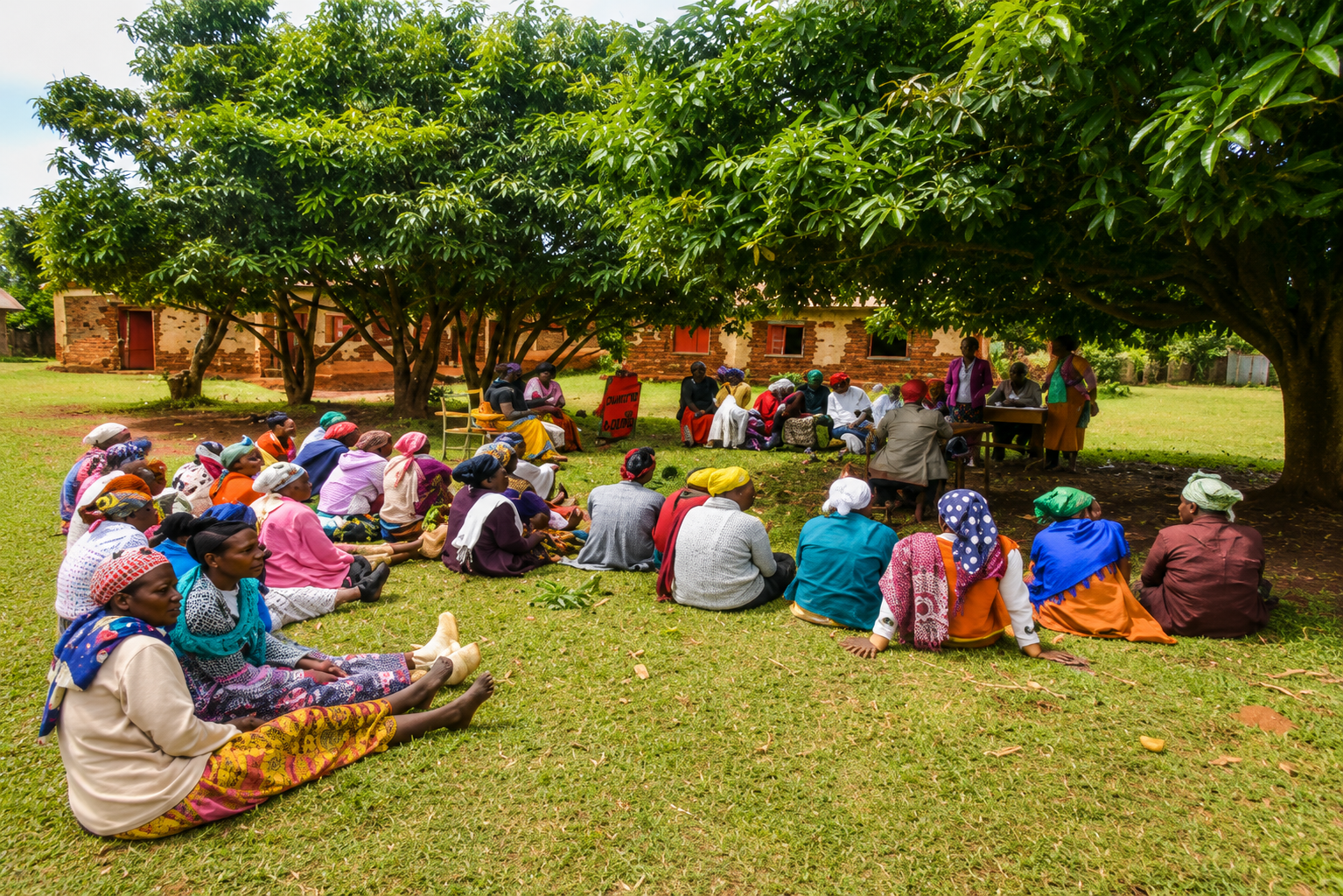
In Kenya’s Mt. Kenya region, the Mt. Kenya Network Forum (MKNF) embarked on a transformative project titled “Community Fruit Tree Nurseries and Renewable Energy Demo Farm Initiative,” supported by a EUR 6000 grant.
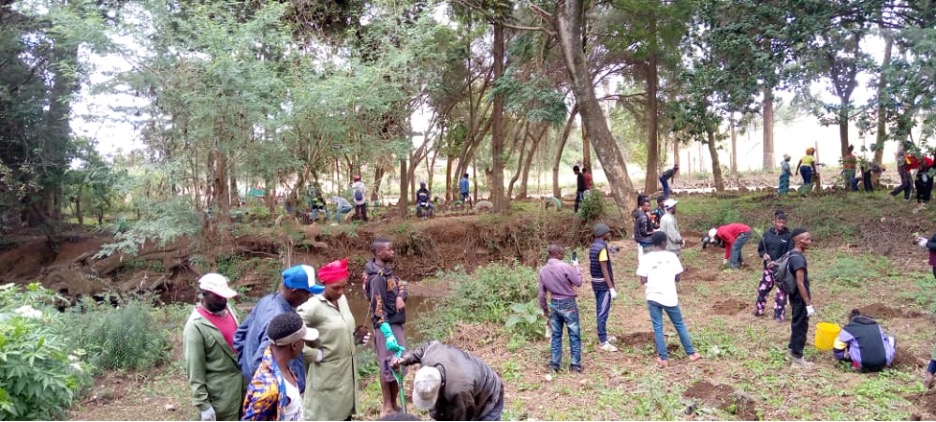
This initiative, aimed at combating rampant deforestation and climate change, established fruit tree nurseries in local schools and promoted alternative energy sources like biogas and solar energy. By planting fruit trees and setting up renewable energy systems, the project sought to restore local ecosystems, enhance food security, and reduce reliance on deforestation-driving resources. Early successes include improved river flows, increased forest cover, and a strengthened sense of environmental stewardship among participating community members.
Similarly, in Makueni County, Kenya, the Makuli Beekeepers, a local Community-Based Organization (CBO), leveraged the power of agroforestry to address the detrimental effects of prolonged drought. With support from CJIfA, the project focused on cultivating tree species to enhance microclimates and attract bees, vital for pollination and food production.
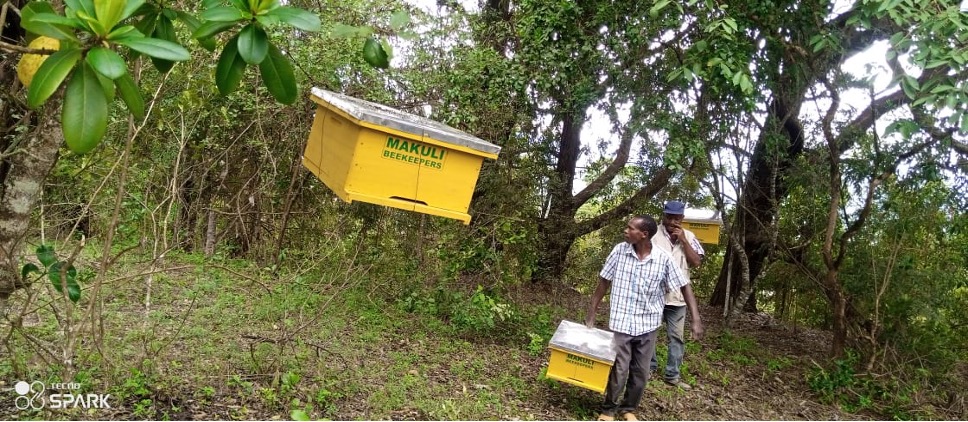
The initiative has led to a significant increase in honey harvesting, an uptick in beekeeping income, and improved household food security through vertical gardening. By integrating bees and trees, this project highlights the synergy between agroforestry and sustainable agriculture in building community resilience against climate variability.
These initiatives exemplify how community-led projects can address environmental challenges while fostering local empowerment and sustainable development.