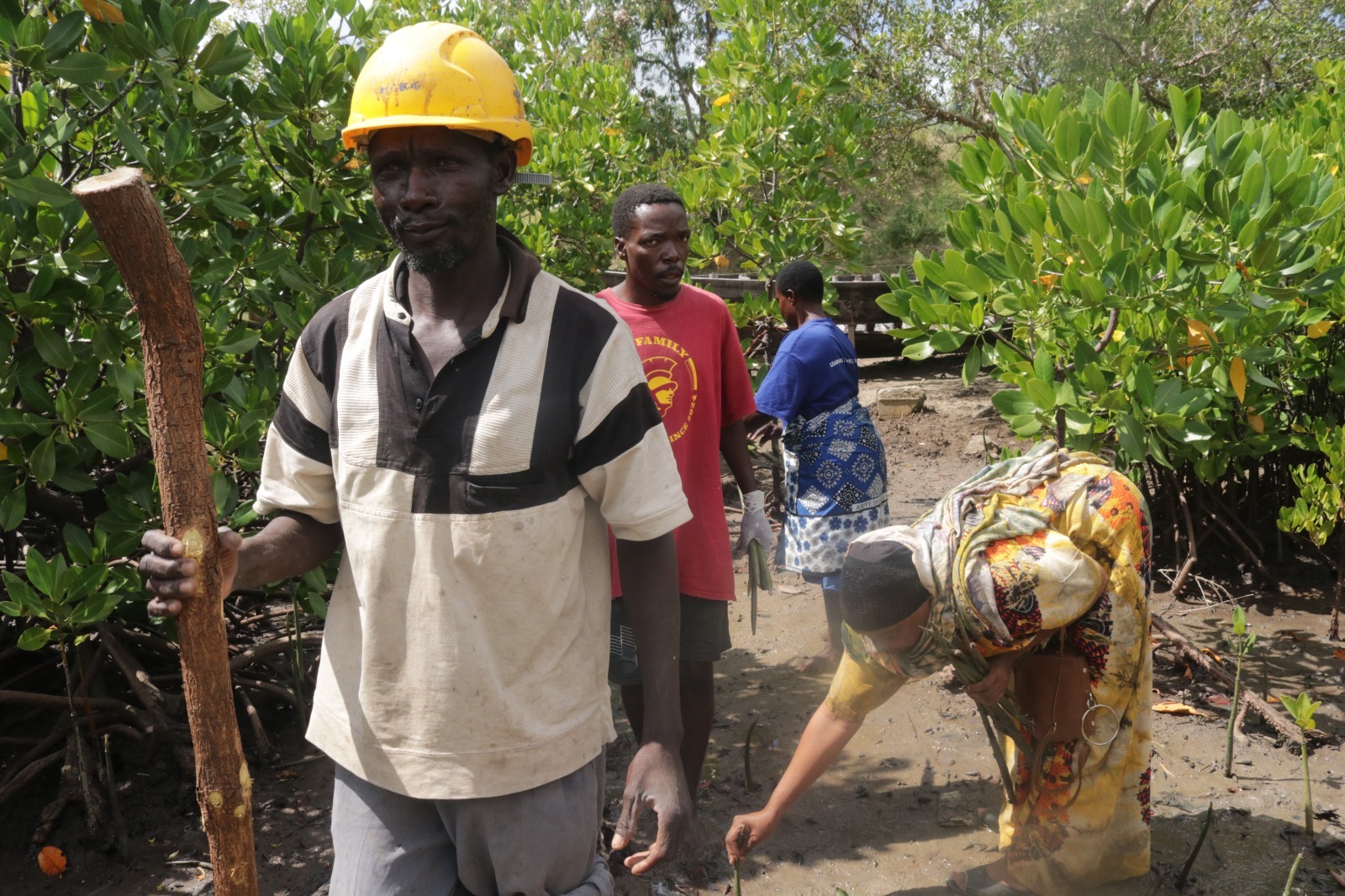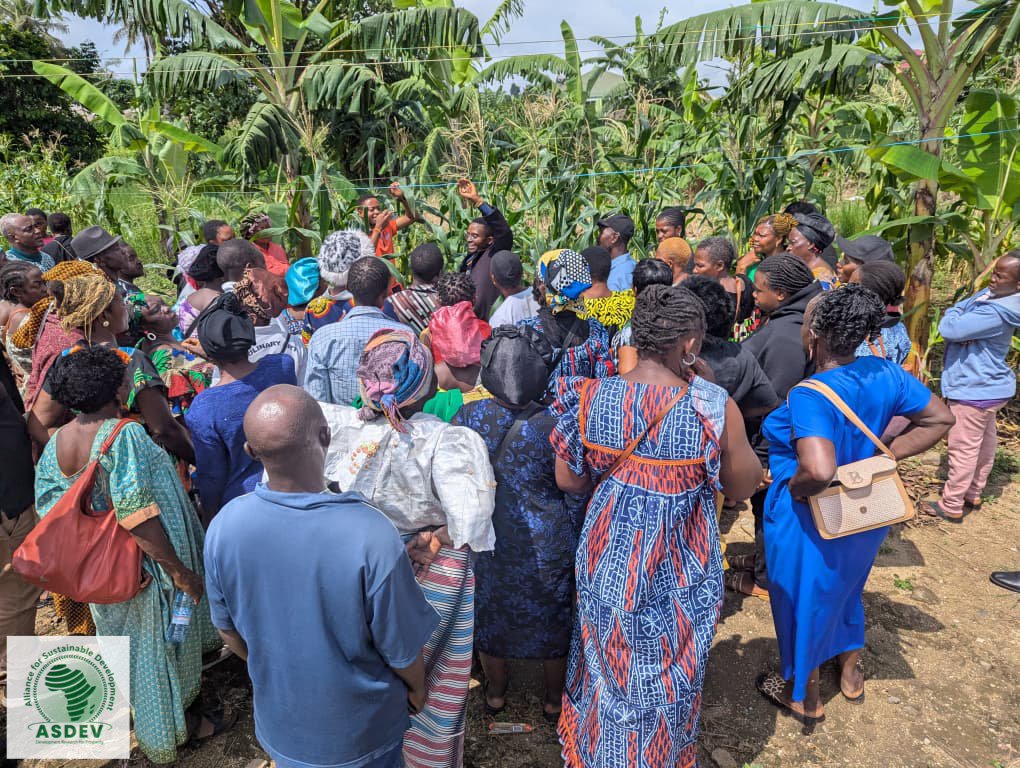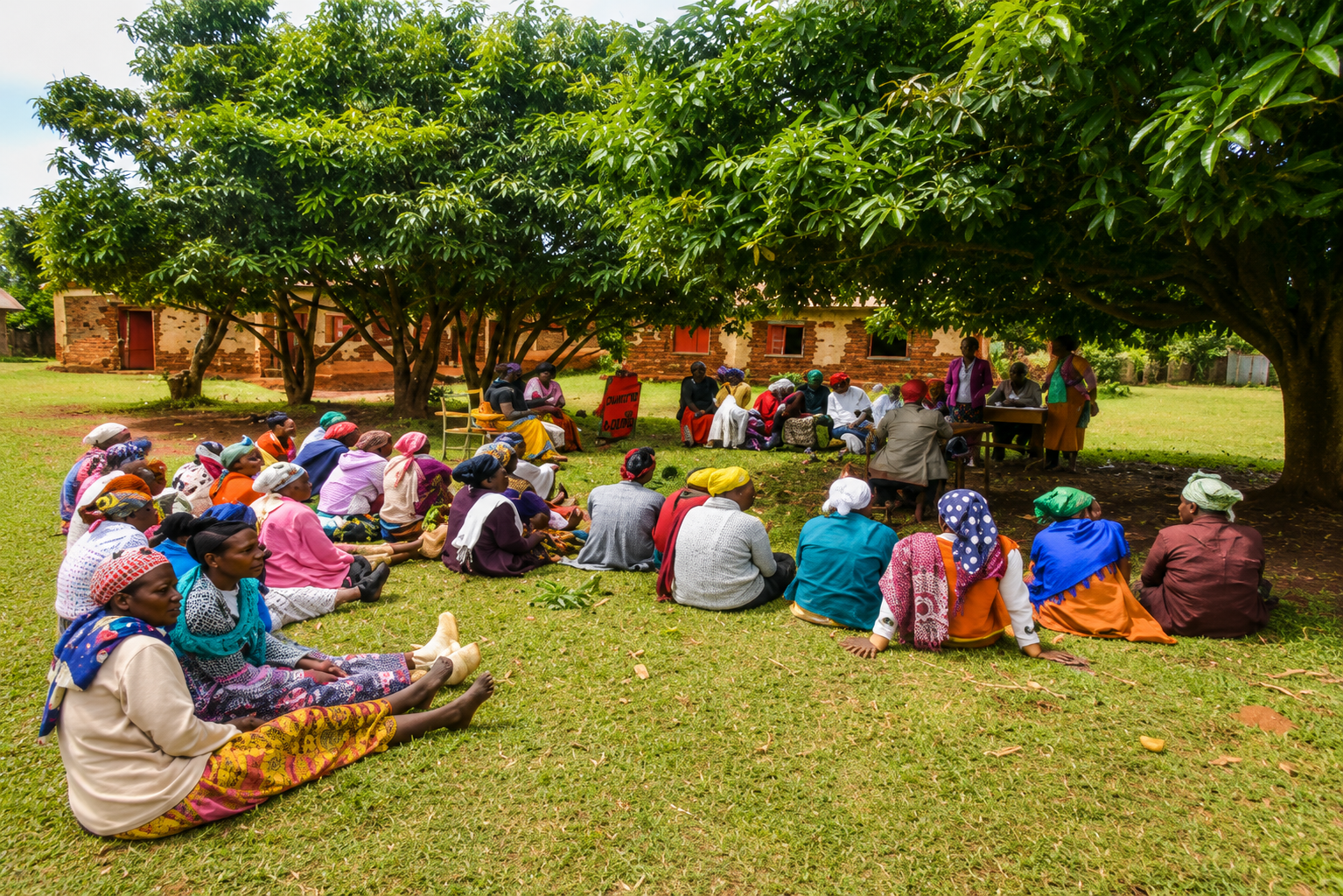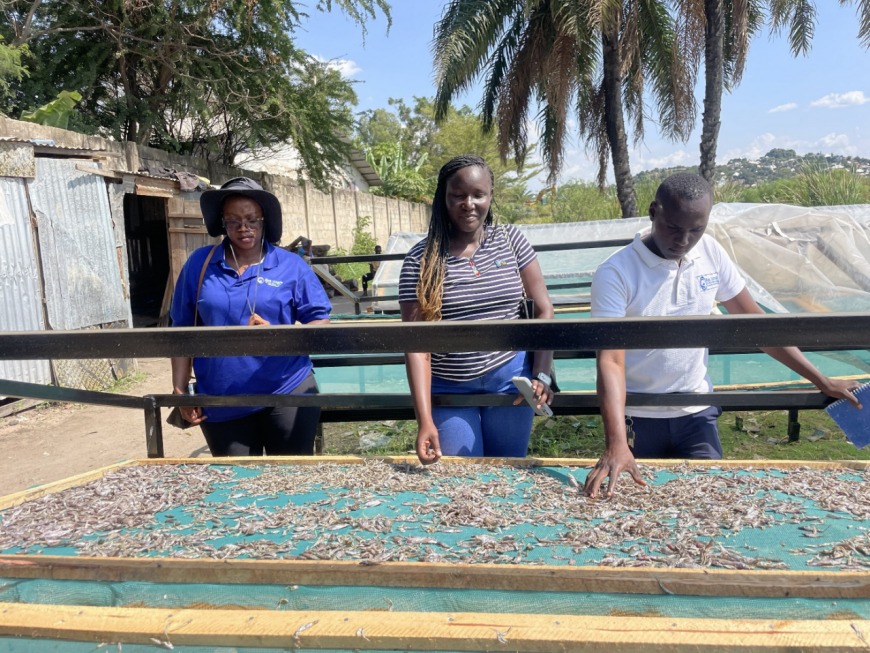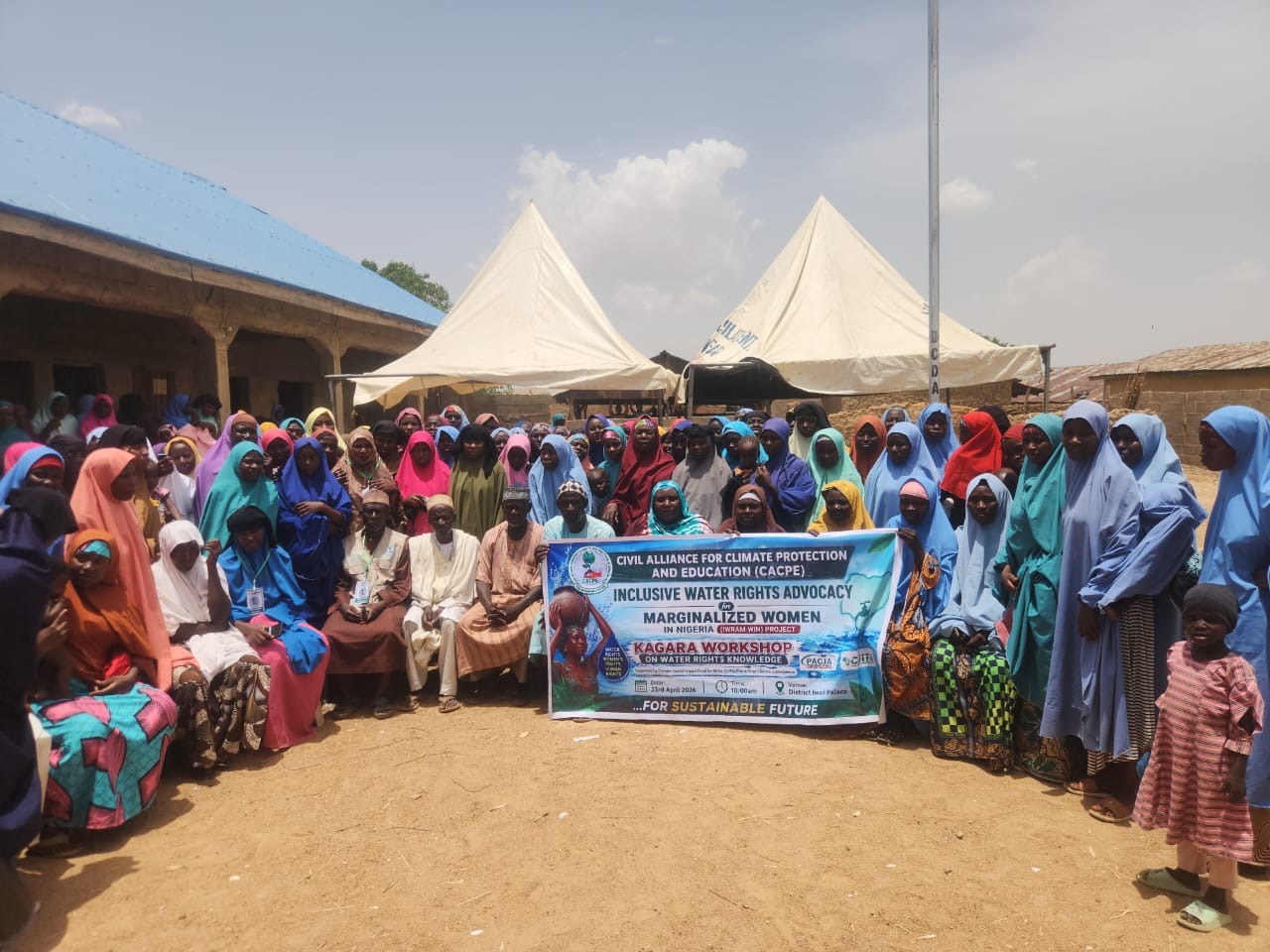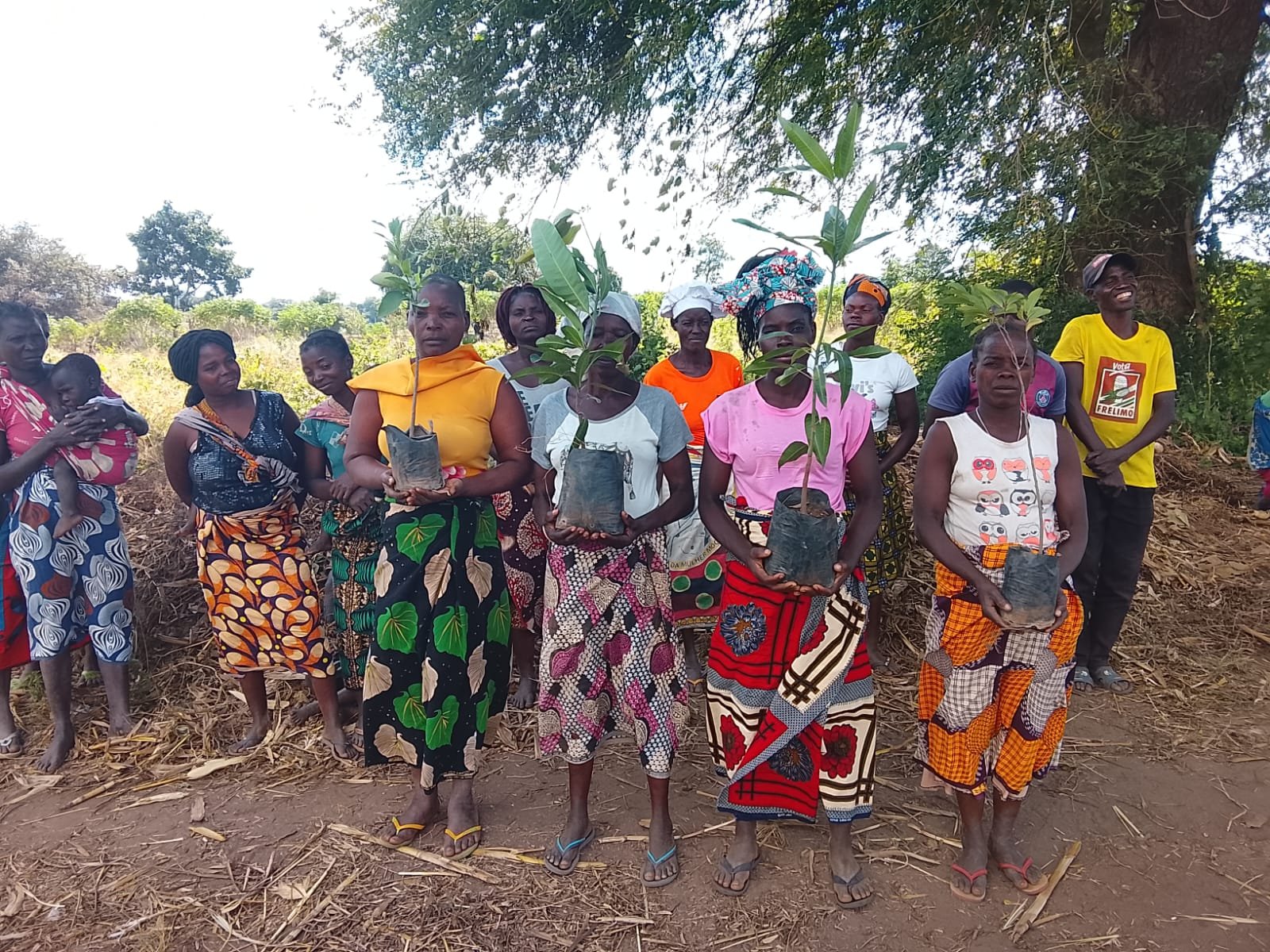

Effective climate change advocacy requires robust grassroots movements and local knowledge. Two projects illustrate how empowering local communities can amplify their voices and drive meaningful climate action.
In Turkana County, Kenya, the Kaputir Resource Management Organization (KARMO) received funding from PACJA to enhance climate change governance at the grassroots level.
The project aimed to unite local voices, including women, youth, and activists, to advocate for climate-responsive policies. By fostering collaboration among diverse stakeholders, KARMO worked to integrate climate change considerations into local development planning and decision-making.
This approach not only empowered communities to advocate for their needs but also ensured that climate actions were more responsive and effective at the county level.
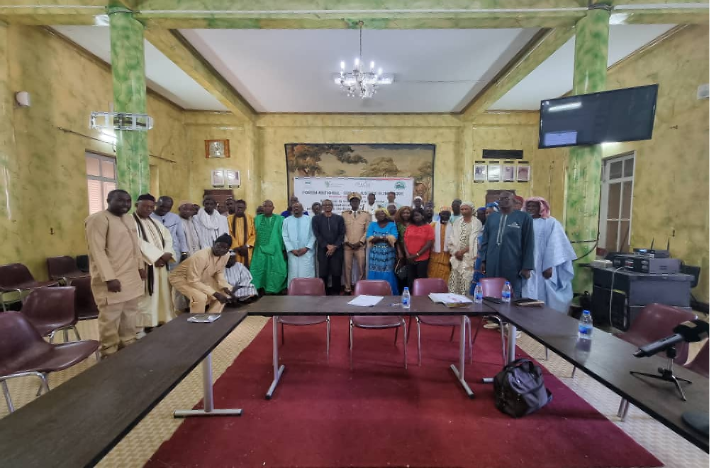
In Senegal, the National Council of the House of Breeders (CNMDE) addressed climate change impacts on pastoralists through a collaborative forum supported by PACJA and French ministries. The forum focused on equipping young members with tools and knowledge to adapt to changing climatic conditions affecting livestock and grazing lands.
By bringing together breeders, policymakers, and climate justice advocates, the project emphasized the need for inclusive strategies that consider the unique challenges faced by pastoral communities.
This initiative highlights the importance of integrating traditional knowledge with modern climate strategies to enhance resilience and ensure that all sectors contribute to the global climate response.
These projects demonstrate the critical role of local knowledge and grassroots advocacy in shaping effective climate change strategies and ensuring that community voices are heard in policy dialogues.