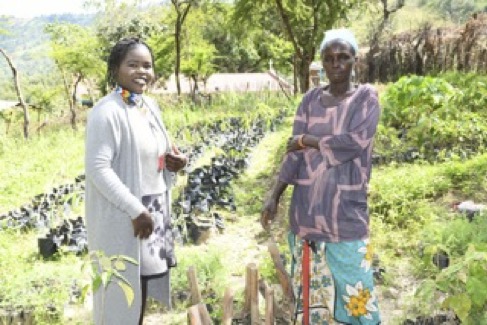


In the arid hills of West Pokot County, Kenya, where drought and deforestation threaten both people and land, one woman is nurturing more than just trees—she is growing hope.
Meet Flora Cherop Ngurialuk, a climate justice champion and grassroots leader from the indigenous Pokot community. Her journey into climate action began with the painful realities of growing up in a marginalized region severely impacted by climate change. She witnessed firsthand how floods, prolonged droughts, and environmental degradation harmed her people—especially women and children.
“Our land is more than soil—it’s our identity. When it’s threatened, so is our way of life,” Flora reflects.
Armed with a degree in Environmental Studies and Community Development from Kenyatta University, Flora returned home determined to drive change. She began organizing community dialogues, mobilizing youth, and promoting the preservation of indigenous knowledge. Her passion caught the attention of national and continental networks, eventually connecting her to the Pan African Climate Justice Alliance (PACJA) through the Climate Justice impact Fund for Africa (CJIFA).
Through CJIFA support, Flora scaled her work by:
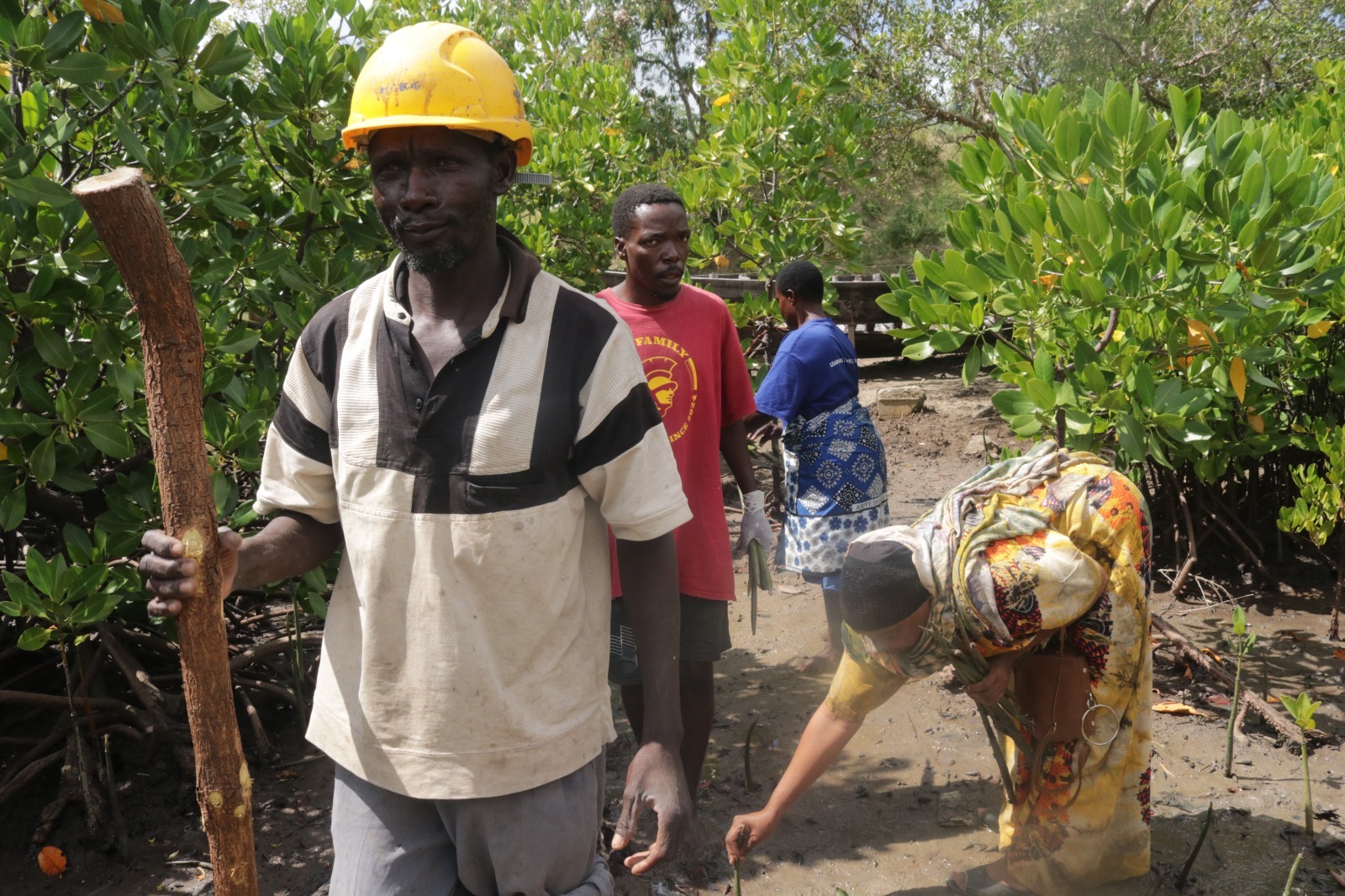
Establishing community-run indigenous tree nurseries
Introducing giant bamboo propagation
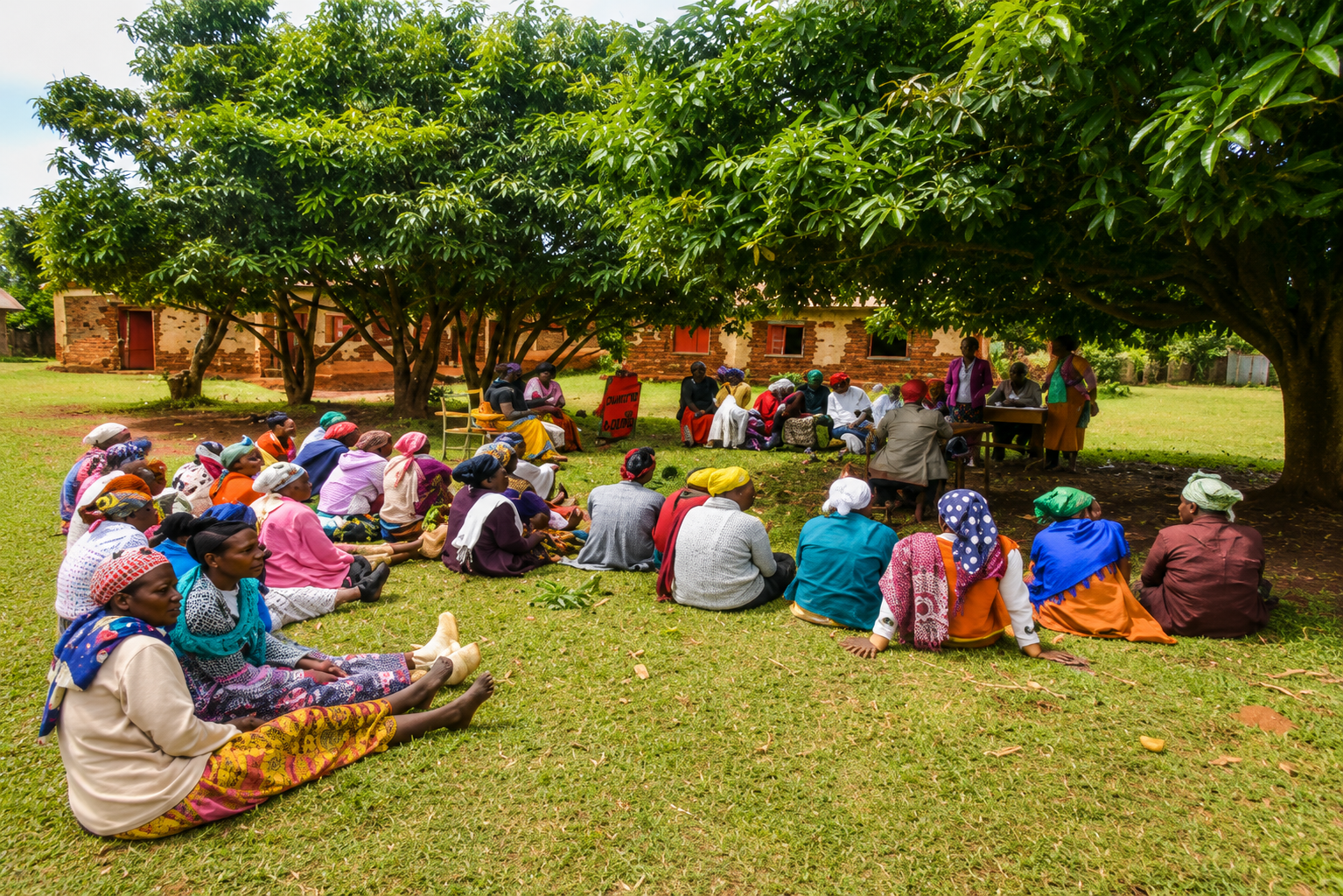
Training women, youth, and persons with disabilities on climate leadership
Advocating for peace-building and land restoration in a region plagued by conflict
But her impact goes beyond the environment. Flora reinvests part of the income from seedling sales to purchase sanitary pads for vulnerable girls in her community—restoring both ecosystems and dignity.
“By planting trees, restoring degraded lands, embracing green innovation, and educating our peers, we are not just saving the environment—we are defending our future.”
Her work has inspired the formation of youth-led environmental clubs, school eco-initiatives, and replication of her tree nursery model by neighboring communities. Flora also represents West Pokot in national climate platforms, advocating for indigenous voices to be heard in policy spaces.
As CJIFA helps ignite local climate solutions across Africa, leaders like Flora remind us that climate justice is community justice—and that when we invest in local champions, we invest in generational transformation.