
In the villages of Casamance, southern Senegal, farmers are bringing back traditional rice varieties that were slowly disappearing from their fields and from their memory.
These are part of a living heritage, closely tied to local culture, taste, and survival in a changing climate.
This revival is being driven by the community-led organisation Nous Sommes la Solution (NSS) through their project “Projet de valorisation des variétés traditionnelles de riz en Casamance.” The initiative focuses on identifying, multiplying, and reintroducing indigenous rice varieties that are naturally adapted to the region’s soils and weather patterns. By relying on knowledge that already exists within the communities, the project is strengthening local food systems and building resilience from the ground up.
The project is one of the beneficiaries of the Climate Justice Impact Fund for Africa (CJIFA) under Cohort 3. CJIFA is an initiative that provides flexible grants to support locally led climate action projects across the continent, giving communities the resources and trust to design and implement solutions that work for them.
Leading the effort is Mamadou DANFAKHA, who has been working closely with farmers to collect and multiply the traditional seeds that are still held by a few elders and households. Once collected, the seeds are carefully multiplied in community fields and then shared through local networks so more farmers can plant them.
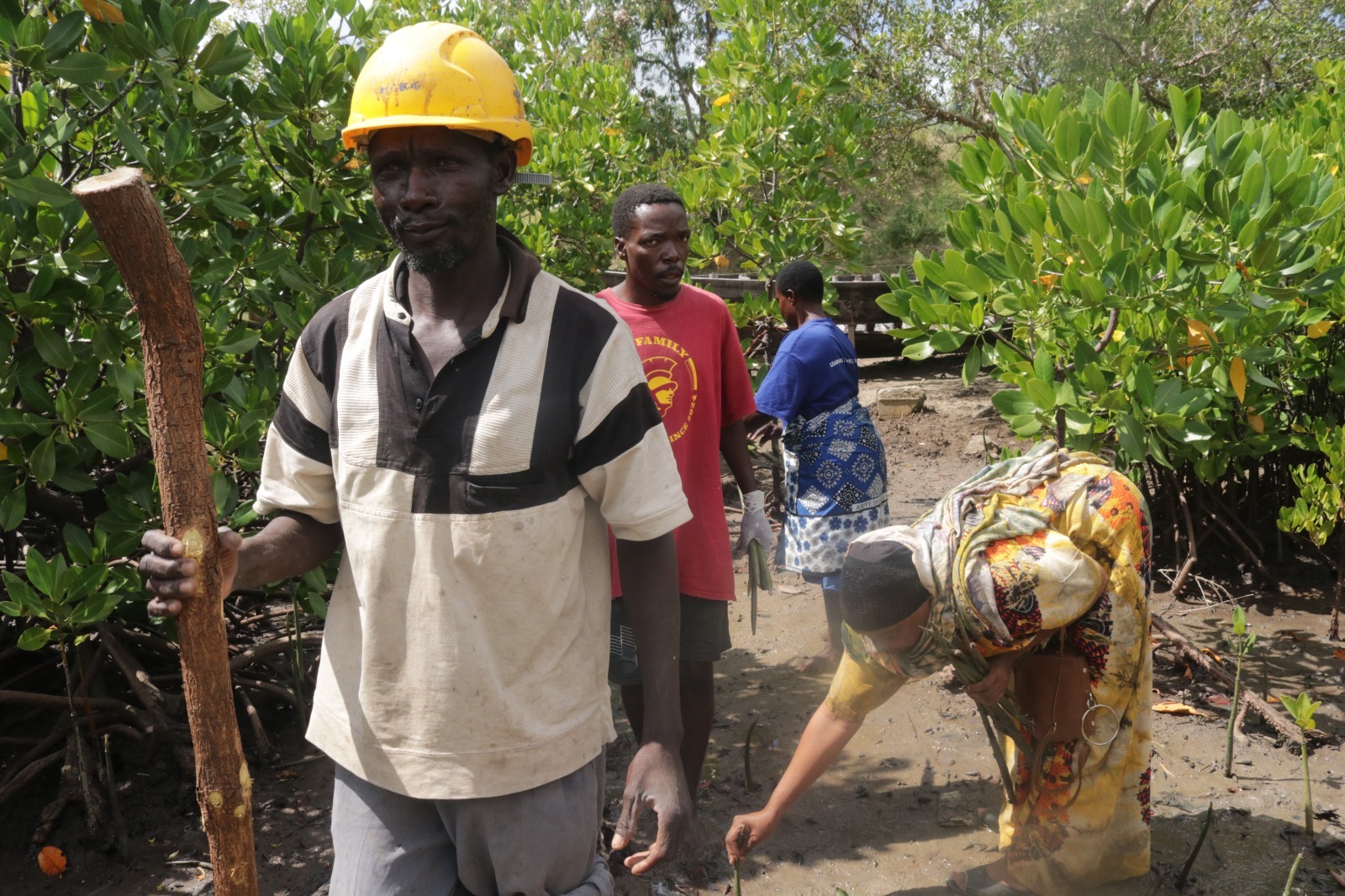
The work is deeply collective. Community members come together in groups to clear fields, prepare the soil, plant, weed, and harvest.
They share labor, knowledge, and even meals during the farming season. Women play a particularly important role, they are the custodians of seeds, the keepers of traditional recipes, and the ones passing this knowledge to the younger generation.
“Reviving our traditional rice is not just about agriculture,” explains Mamadou DANFAKHA. “It is about reclaiming our identity, empowering our communities, and building resilience in the face of climate change.”
What makes this project stand out is that the farmers are not passive recipients. They actively shape the initiative.
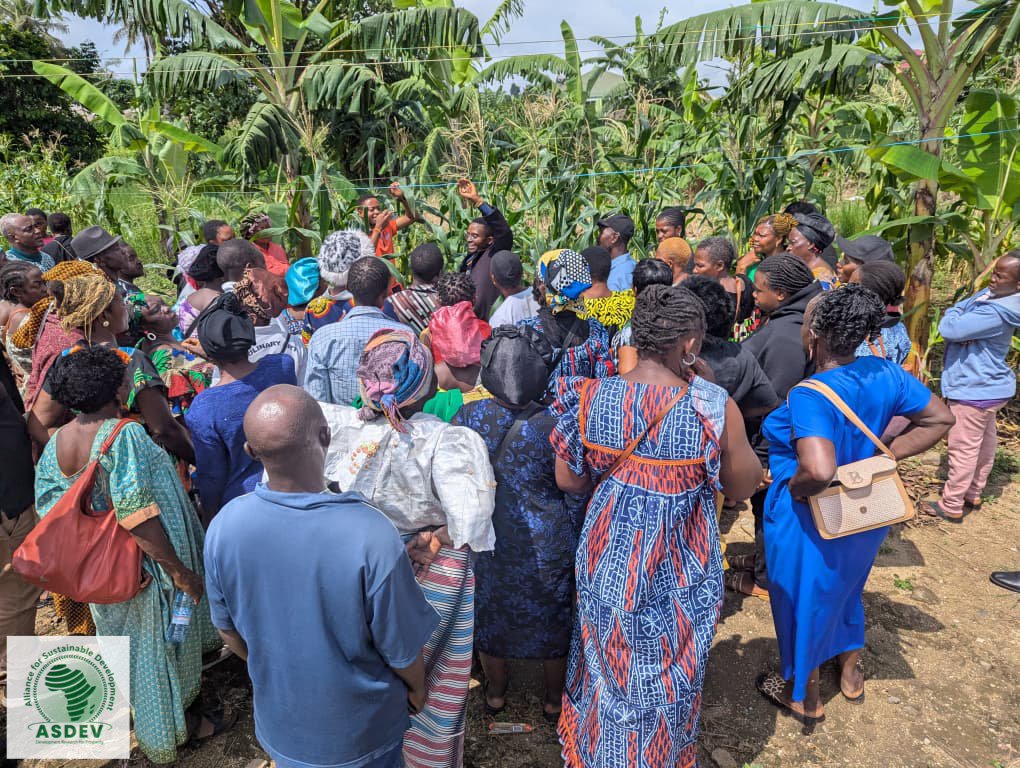
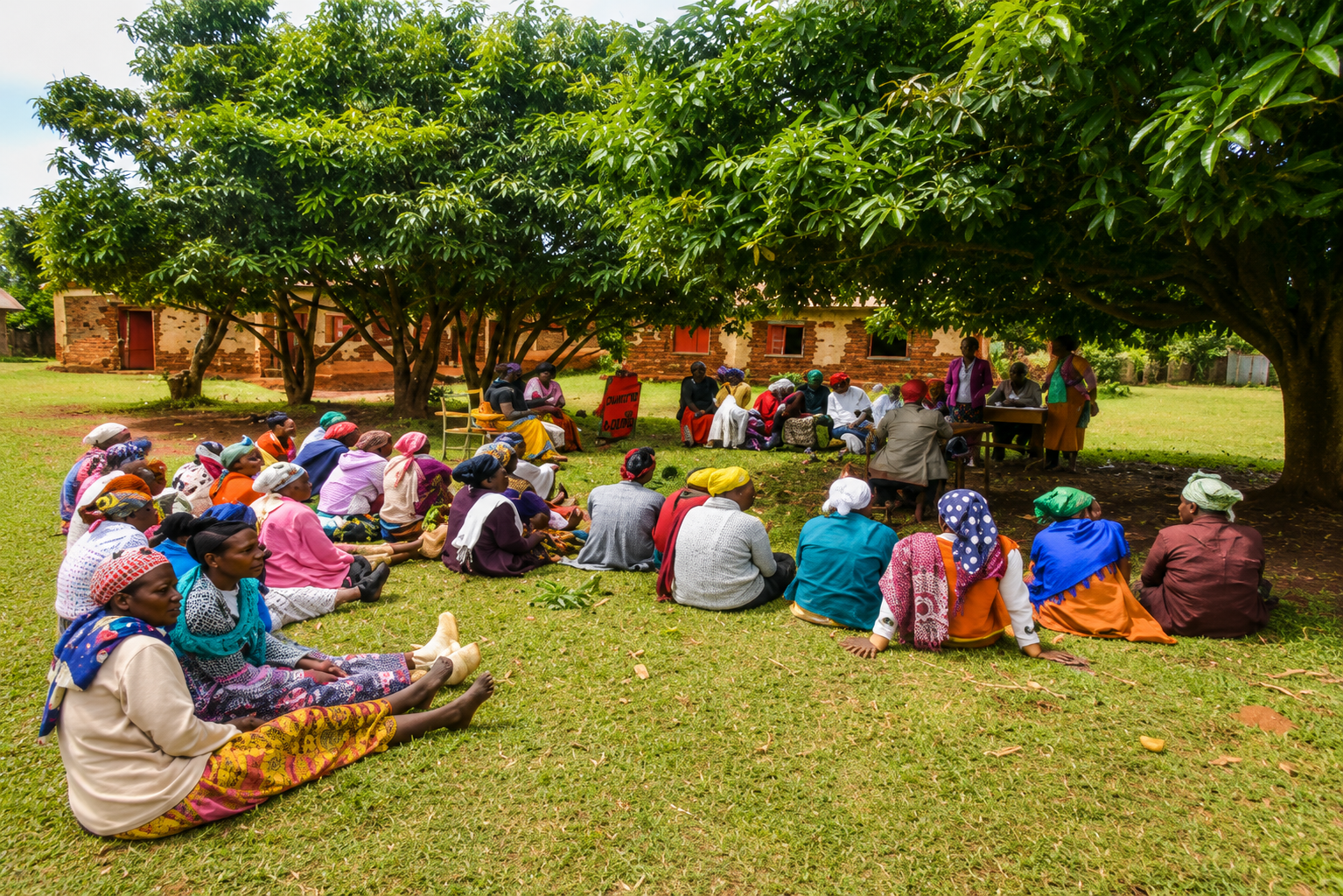
Through regular meetings, seed-sharing circles, and farmer-to-farmer training, communities decide which varieties to prioritise, how to manage the fields, and how to adapt practices to the current rainfall patterns. This bottom-up approach ensures the solutions remain relevant and owned by the people who depend on them.
Of course, the journey has not been easy. Erratic rainfall, shifting seasons, and the increasing pressure from commercial hybrid seeds all pose real challenges. Many farmers still struggle with limited access to tools and basic inputs. Yet, despite these obstacles, participation remains strong because the benefits are visible and immediate: more diverse harvests, better taste, reduced dependence on expensive external inputs, and stronger food security at the household level.
By growing a mix of traditional varieties, farmers spread their risks. If one variety struggles with drought or pests, others perform better. This diversity also helps protect local biodiversity and keeps the local economy circulating within the community rather than depending on distant markets.
For NSS and the communities involved, this project is proof that locally led climate action works. It shows how restoring traditional knowledge and practices can address both climate challenges and deeper issues of cultural identity and self-reliance.
Through the support of the Climate Justice Impact Fund for Africa, small but meaningful steps like these are being scaled across different countries.
The fund’s approach, trusting communities to lead, is helping to shift power and resources toward those who understand their realities best.