Welcome to Climate Justice Impact Fund for Africa (CJIFA)

    News

    User Rating: 5 / 5

    Star ActiveStar ActiveStar ActiveStar ActiveStar Active


    In many rural homes across Baringo County, cooking remains a daily necessity that comes with a heavy cost. Families spend significant amounts on fuel, while continued dependence on firewood increases pressure on local forests and the environment.

    For Ecohela, a beneficiary of Cohort III of the Climate Justice Impact Fund for Africa (CJIFA), the solution lies in improving both the fuel people use and the technologies they cook with. Supported by CJIFA, the organization is advancing community-driven clean cooking solutions that are more accessible, affordable, and practical for rural households, especially women.

    The Climate Justice Impact Fund for Africa (CJIFA) is a locally led climate justice fund that provides financial and technical support to grassroots organizations across Africa implementing community-driven climate solutions. Through its cohort-based support model, CJIFA helps local actors scale innovative approaches that strengthen climate resilience, environmental sustainability, and social inclusion.

    Through its locally led work in Baringo County, Ecohela is expanding practical clean cooking solutions that respond to the realities of rural households while reducing pressure on forests and natural resources.

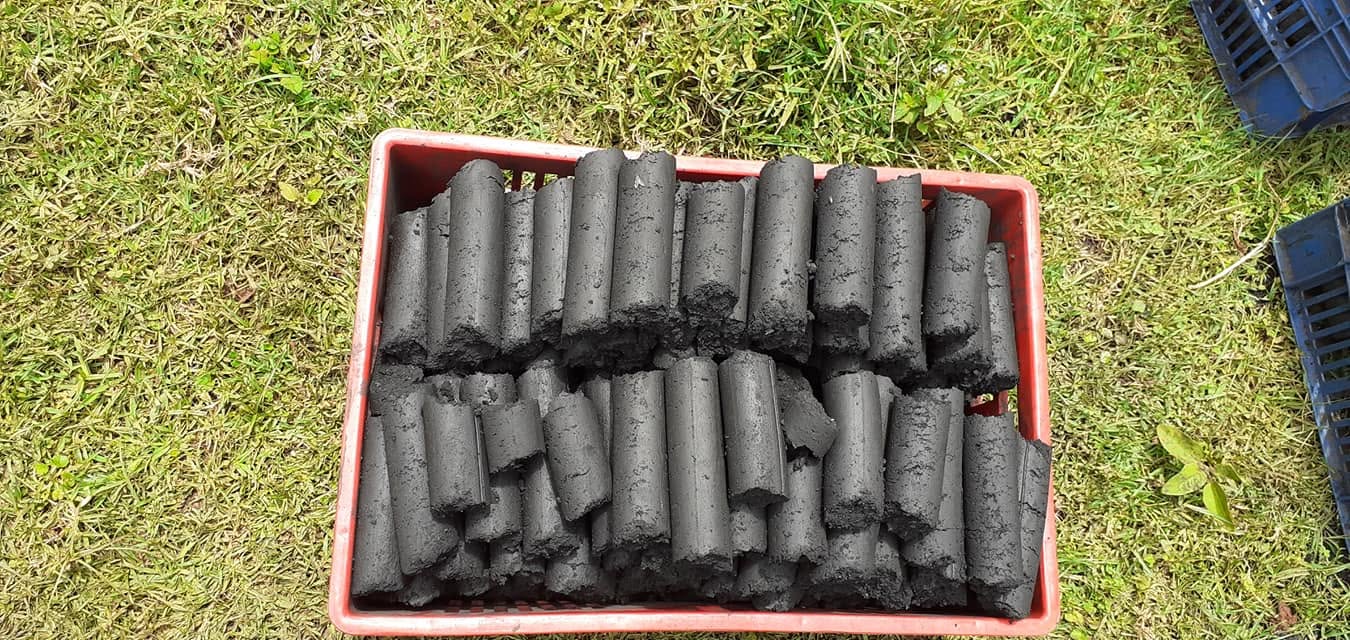
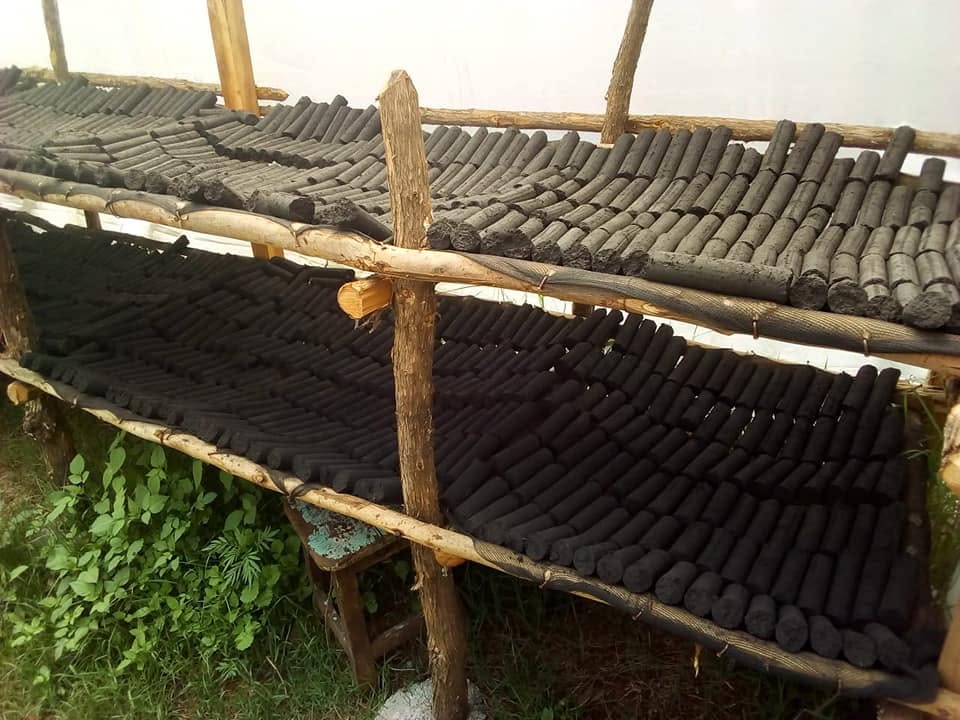
    The initiative began with efforts to scale the production of charcoal briquettes made from recycled organic materials. With improved production capacity and access to raw materials, Ecohela has increased the availability of briquettes within local communities.

    However, it soon became clear that fuel alone was not enough.

    To fully maximize the efficiency of the briquettes, households also needed cooking technologies that use less energy and retain heat for longer. This insight led Ecohela to expand its work into energy-efficient cookstoves.

    Working alongside a local women’s group, the organization provided training on the fabrication and installation of improved cookstoves known as Chepkube Jikos. Women involved in the initiative gained practical skills that enable them to produce and install the stoves within their communities.

    Beyond access to cleaner cooking solutions, the partnership has created opportunities for women to acquire skills, engage in local enterprise, and champion cleaner and more efficient cooking practices. To date, 67 women have been trained in the fabrication and installation of Chepkube Jikos, while 42 households have benefited from improved access to clean cooking solutions through the initiative.

    The Chepkube Jiko is designed to reduce fuel consumption while improving cooking efficiency. When used together with Ecohela’s briquettes, households are able to cook with less fuel, lowering both costs and environmental impact. Community members using the technologies have reported improved cooking efficiency and reduced dependence on traditional fuels, contributing to both household savings and environmental conservation.

    To support community awareness and adoption, Ecohela established a demonstration kitchen where residents can observe and compare different energy-saving cookstoves in a practical setting. This space serves as a learning center where community members can experience clean cooking technologies firsthand before deciding which solutions best suit their needs.

    For many families, seeing these technologies in use has helped bridge the gap between awareness and adoption.

    The initiative reflects a growing understanding that climate action is most effective when it responds to local realities. Rather than introducing external solutions, Ecohela builds on community knowledge, local partnerships, and the everyday experiences of households facing energy challenges.

    The work has also continued to gain recognition. In 2026, Ecohela was selected to join the IYBA WE4A Entrepreneurship Programme, where it will receive additional support to strengthen and scale its clean energy initiatives.

    While challenges around clean cooking and environmental sustainability remain significant, Ecohela’s approach demonstrates how locally led climate action can deliver practical solutions that improve livelihoods while protecting natural resources.

    Through support from the Climate Justice Impact Fund for Africa, such community-rooted initiatives are being advanced across the continent, helping local actors develop solutions that directly respond to the needs of the people they serve.

    In Baringo County, this support is helping transform the simple act of cooking into an opportunity for environmental stewardship, economic empowerment, and a more sustainable future for rural communities.


    Star InactiveStar InactiveStar InactiveStar InactiveStar Inactive

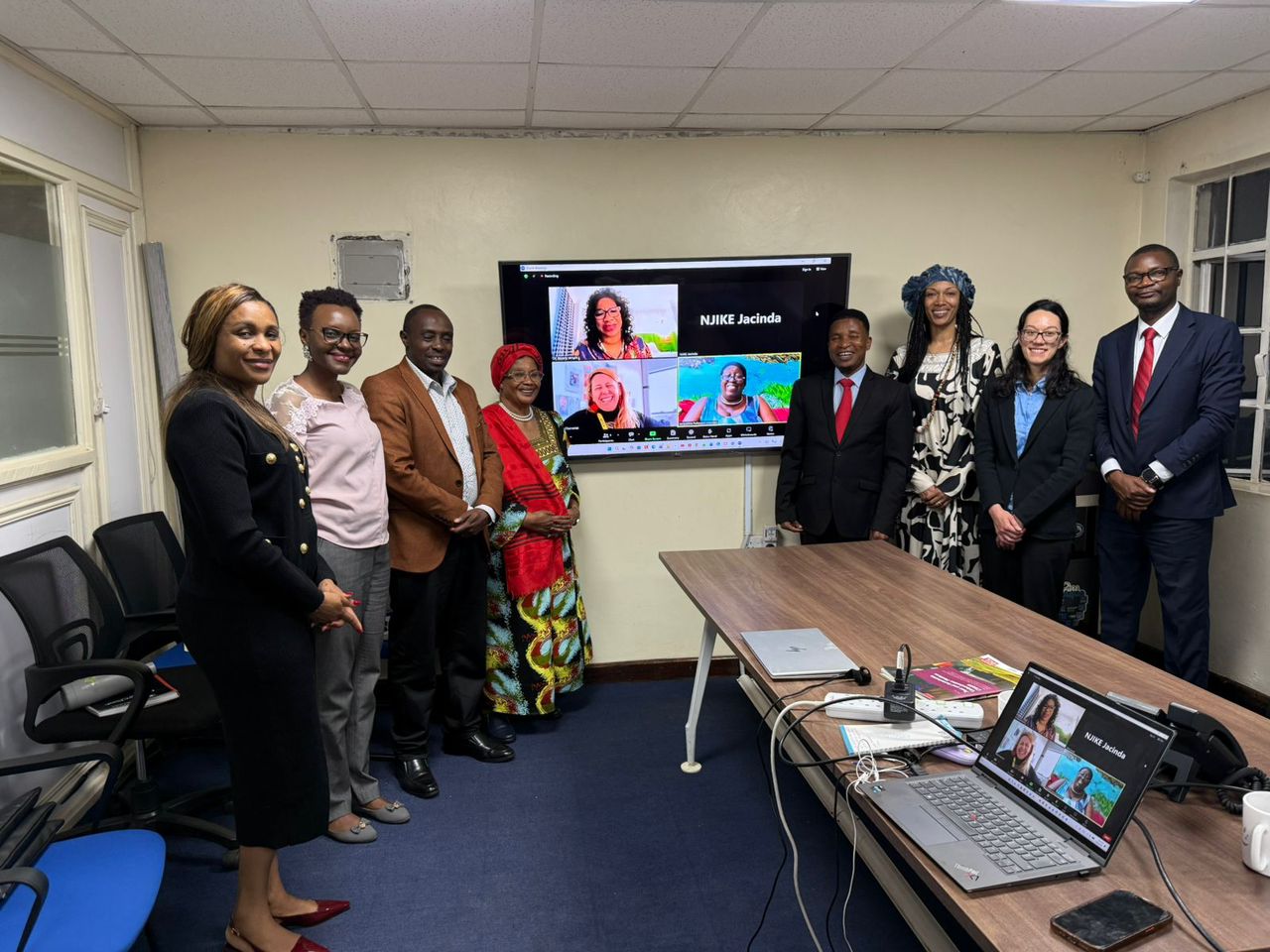
    The Climate Justice Impact Fund for Africa (CJIFA), the direct community response and intermediary initiative of the Pan African Climate Justice Alliance (PACJA), recently convened its inaugural Advisory Board meeting at the PACJA Secretariat in Nairobi.

    The landmark meeting marked a significant step in strengthening efforts to ensure climate finance reaches frontline communities disproportionately affected by climate change across Africa.

    The high-level engagement focused on shaping the strategic direction of CJIFA as a transformative vehicle championing locally led climate action, indigenous knowledge systems, and community-centered adaptation solutions. Deliberations centered on positioning the Fund as a bridge between global climate finance and resilient grassroots communities that continue to face barriers in accessing conventional funding mechanisms.

    The meeting was chaired by Her Excellency Dr. Joyce Banda, former President of Malawi and Chair of the CJIFA Advisory Board. Advisory Board members who joined virtually included Ms. Jacqueline Patterson of The Chisholm Legacy Project (USA), Ms. Celine Charveriat, Founder of Pro(to)topia, and Ms. Beverly Wright, Co-Chair of the National Black Environmental Justice Network (NBEJN). Prof. Mamphela Ramphele, Chair of the Desmond Tutu IP Trust Fund, South Africa, was represented in absentia.

    The PACJA and CJIFA team present included Dr. Mithika Mwenda, Executive Director of PACJA; Mr. Charles Mwangi, Head of Programmes and Research at PACJA; Ms. Fathiya Abdulmajid, Head of Finance; Ms. Ann Kobia, HR and Partnerships Lead; Mrs. Jacinda Njike, Chief Architect of CJIFA; and Ms. Rebecca Kalume, CJIFA Coordinator.

    The meeting was also joined by Ms. Anais Dicroce, Director of Partnerships at the Global Fairness Initiative (GFI), where discussions explored potential strategic partnerships between CJIFA and GFI aimed at strengthening climate resilience and expanding support for vulnerable communities.

    Key discussions during the meeting focused on scaling CJIFA into a financially empowered international entity capable of mobilizing and channeling climate finance to frontline communities often excluded from mainstream funding streams. The Advisory Board also emphasized the importance of leveraging collective networks, institutional partnerships, and strategic influence to strengthen the Fund’s long-term sustainability and impact.

    The meeting further highlighted the need to equip frontline communities with the necessary tools, resources, and institutional support to strengthen their leadership and agency in climate adaptation and resilience building.

    In her reflections, H.E. Dr. Joyce Banda reaffirmed the Advisory Board’s commitment to advancing climate justice across the continent, noting that grassroots communities already hold practical solutions to the climate crisis and require equitable partnerships, resources, and recognition to scale their impact.

    “Grassroots communities already hold the solutions; what they need are resources, respect, and equitable partnerships,” she noted.

    Star InactiveStar InactiveStar InactiveStar InactiveStar Inactive

    Communities in Isiolo County, Northern Kenya, increasingly face the harsh realities of climate change. Prolonged droughts, irregular rainfall patterns, water scarcity, and declining pastoral livelihoods continue to threaten food security and economic stability across the region.

    To respond to these growing challenges, Northern Vision CBO is implementing a community-led climate adaptation initiative focused on sustainable aquaculture and climate-smart food production systems.

    Supported by https://www.cjifa.org/, the project is helping pastoral communities in Isiolo strengthen resilience through locally adaptable and sustainable solutions.

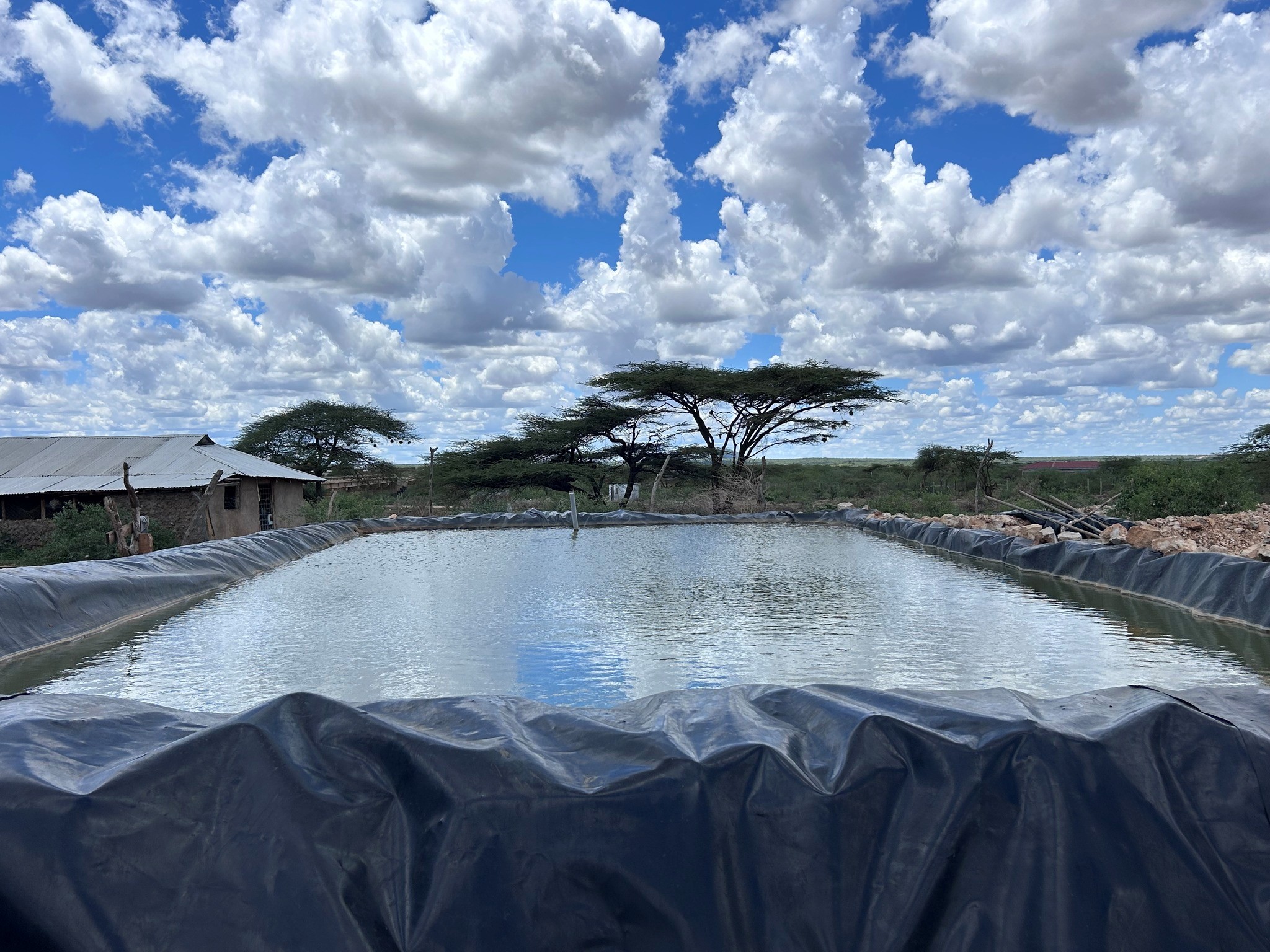
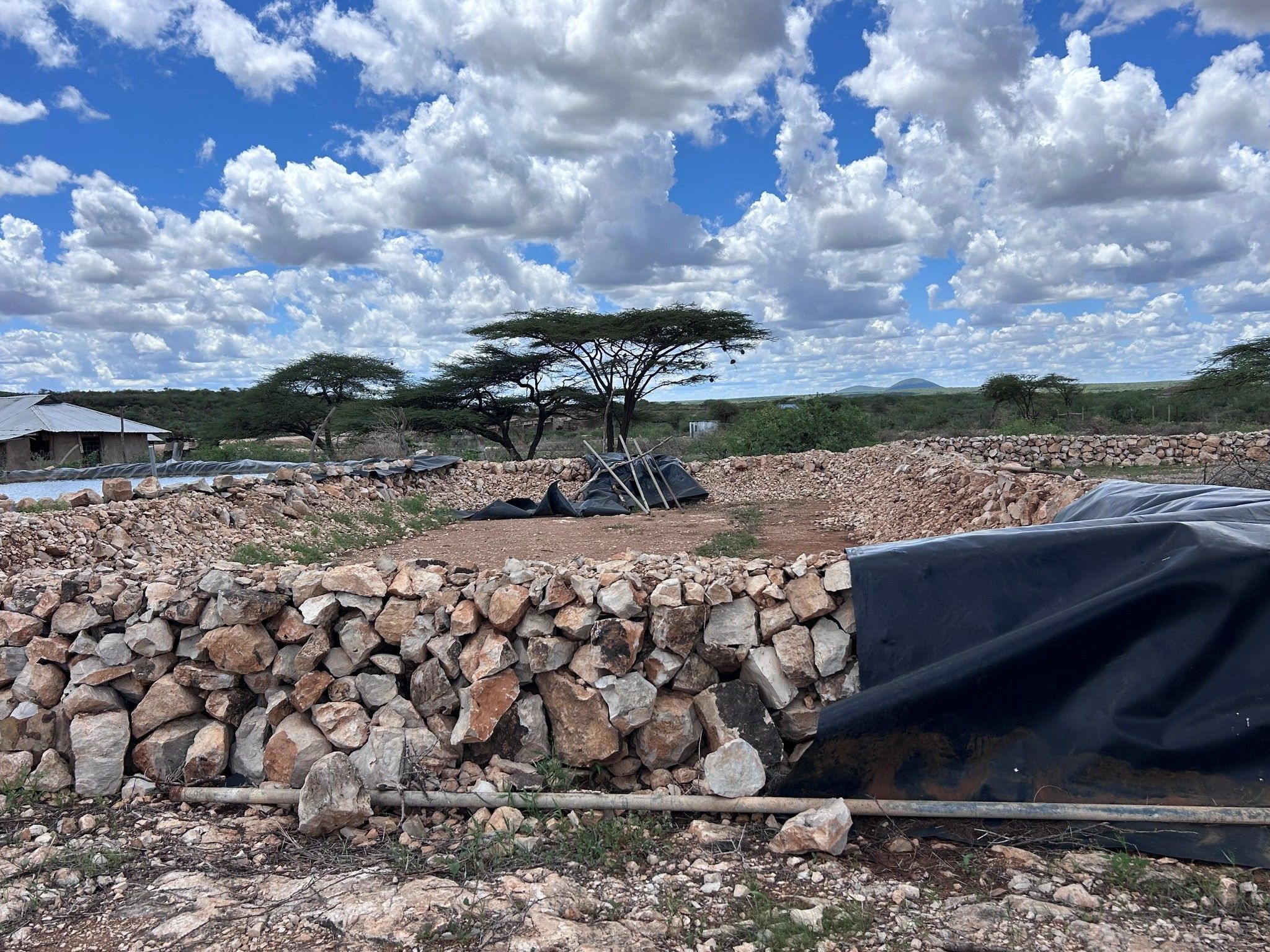
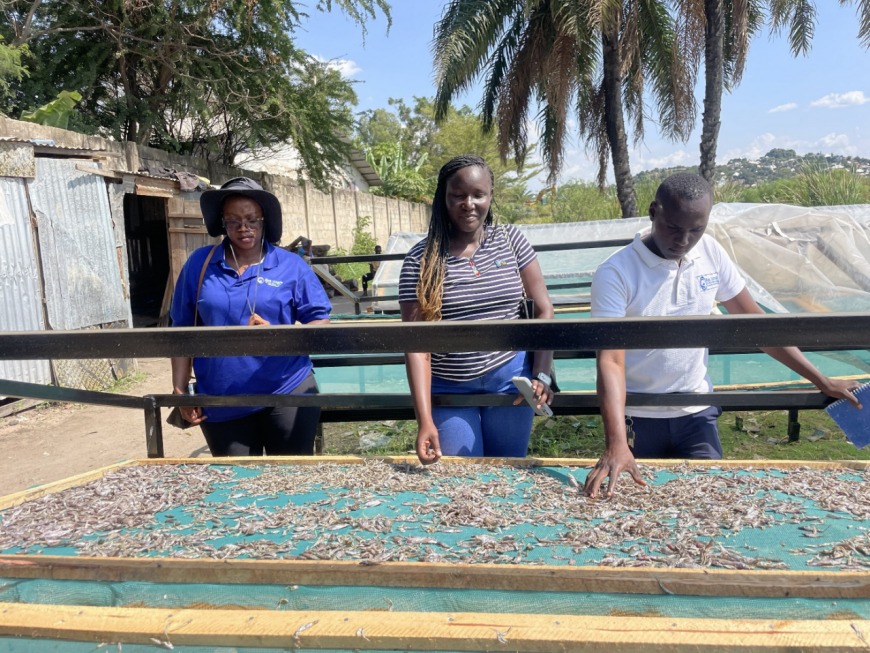
    Working closely with women, youth, and pastoralist households, Northern Vision has upgraded infrastructure at Gotu Gamachu Farm to improve fish farming and water management systems in the region.

    Key interventions include:

    1. Installation of pond liners to improve water retention and fish production efficiency;
    2. Replacement of old PVC pipes to enhance water flow from the river to fishponds;
    3. Construction of a tank mounting structure and water storage system;
    4. Establishment of mini azolla ponds that provide low-cost supplementary fish feed.

    Beyond infrastructure development, the initiative is also equipping community members with practical skills in sustainable aquaculture, integrated farming practices, and climate adaptation approaches suitable for ASAL (Arid and Semi-Arid Lands) regions.

    According to Northern Vision CBO, the project demonstrates how low-cost, locally led climate solutions can improve food security, nutrition, and livelihoods even in climate-vulnerable environments.

    Since the project began, communities have reported improved knowledge of climate-smart farming, increased interest among women and youth in sustainable food production, and stronger community engagement around locally driven adaptation efforts.

    The initiative has also created employment opportunities for seven community members during the implementation phase. Beyond providing temporary income, the project is strengthening local confidence that practical and affordable climate-adaptation models can succeed in Northern Kenya’s harsh climatic conditions.

    Women and youth remain central to the project’s implementation. Through hands-on participation in pond preparation, azolla cultivation, farm maintenance, and community learning sessions, participants are gaining practical livelihood skills that support long-term resilience and household nutrition.

    As climate impacts continue to intensify across Northern Kenya, initiatives like this are proving that community-led action  can play a critical role in building sustainable and resilient futures. 

    111

    CJiFA web

    The Climate Justice Impact Fund for Africa (CJIFA) was established to accelerate transformative climate action, the imperatives of climate justice and amplify voices of communities at the frontline of climate crisis in African countries and communities. It is aimed at producing lasting change that comes from the collective activism of those who are either structurally excluded, disempowered, exploited or stigmatized.

    Subscribe >>>

    Search