
On June 14th, the Climate Justice Impact Fund for Africa (CJIFA), under the Pan African Climate Justice Alliance, conducted a crucial field visit to Kajiado County.
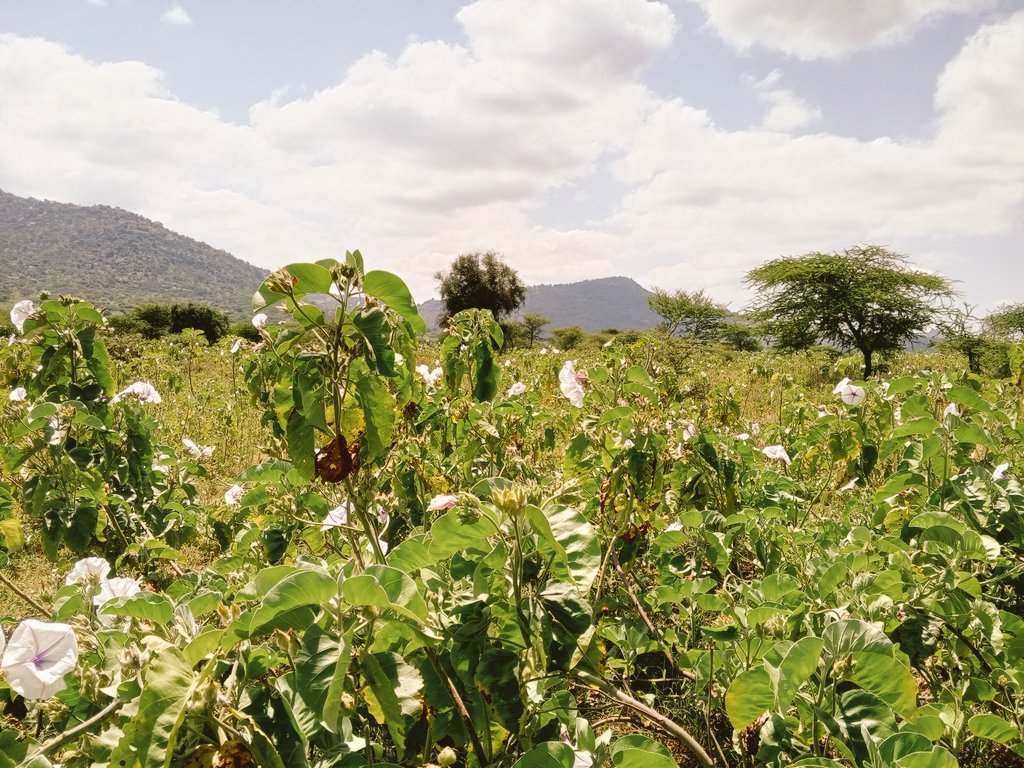
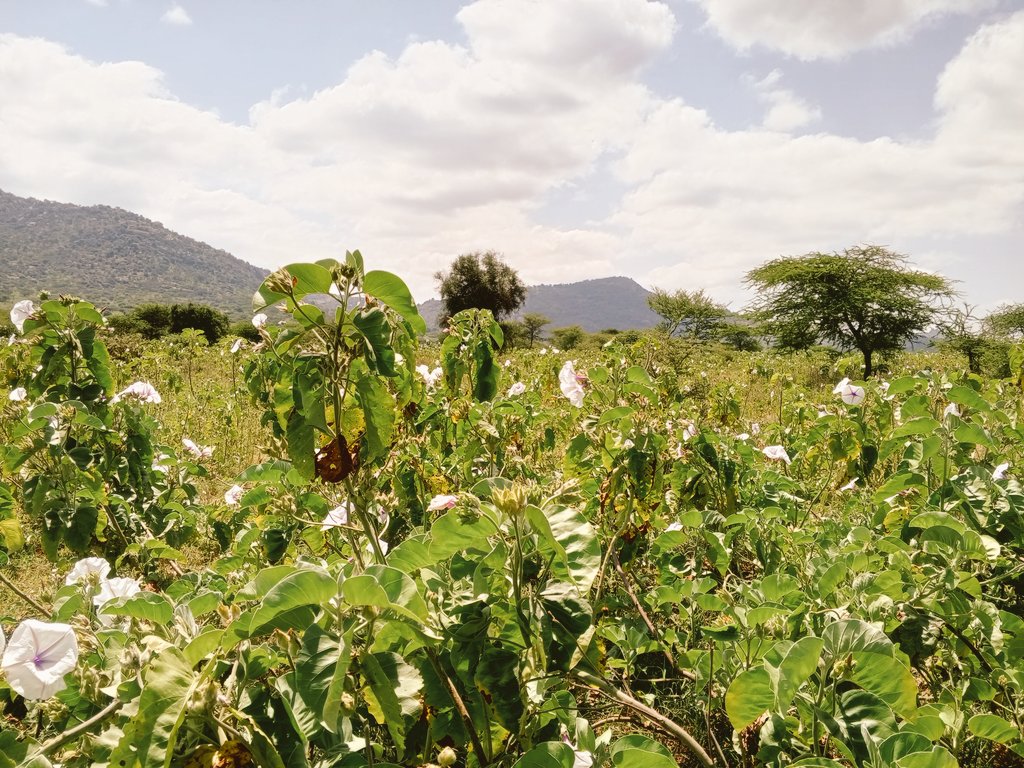
Recently declared a crisis area due to the invasive Ipomea weed, Kajiado faces severe challenges that threaten the livelihoods of its communities.
Kajiado County, predominantly inhabited by the Maasai community, relies heavily on pastoralism and small-scale farming for its economic sustenance. The arid and semi-arid landscapes pose significant challenges, with residents grappling with food insecurity, limited access to water, and fluctuating climatic conditions.
The local economy is primarily based on livestock, which forms the backbone of the community’s livelihood. Over the past five years, the introduction of the invasive Ipomea weed has exacerbated these challenges, threatening the fragile balance of the local ecosystem and economy.
Dr. Achola Jacktone, the Minister of Agriculture and Livestock for Kajiado County, expressed concern over the impact of Ipomea weed, identified as Ipomoea carnea. "This weed has thrived in our arid regions, out-competing native vegetation and reducing grazing land," Dr. Jacktone stated. "It's toxic nature has caused significant health issues in our livestock, leading to substantial economic losses."
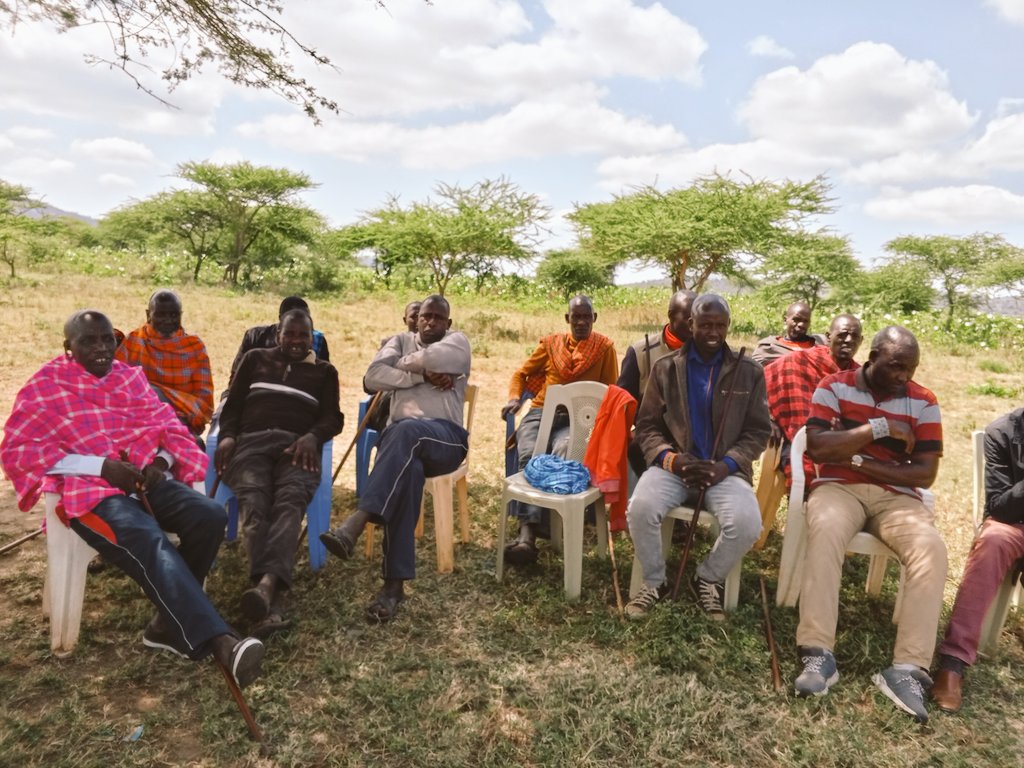
The area chief, Nelson Parmisa Sonto, of Olobelibel Location, provided insights into the socio-economic impacts on local communities. "Food insecurity has worsened due to reduced agricultural output, and disputes over grazing areas have intensified," the chief explained. "We need community-led initiatives to manage and eradicate this weed effectively."
Among those affected by the spread of Ipomea weed, James Rapsa Kapiranya, a local livestock owner, recounted his challenges. "We've lost nearly 20 cows," Samuel shared, "not directly from the weed itself but due to the drought worsened by its presence. Our grazing lands are depleted, affecting our livestock's health."
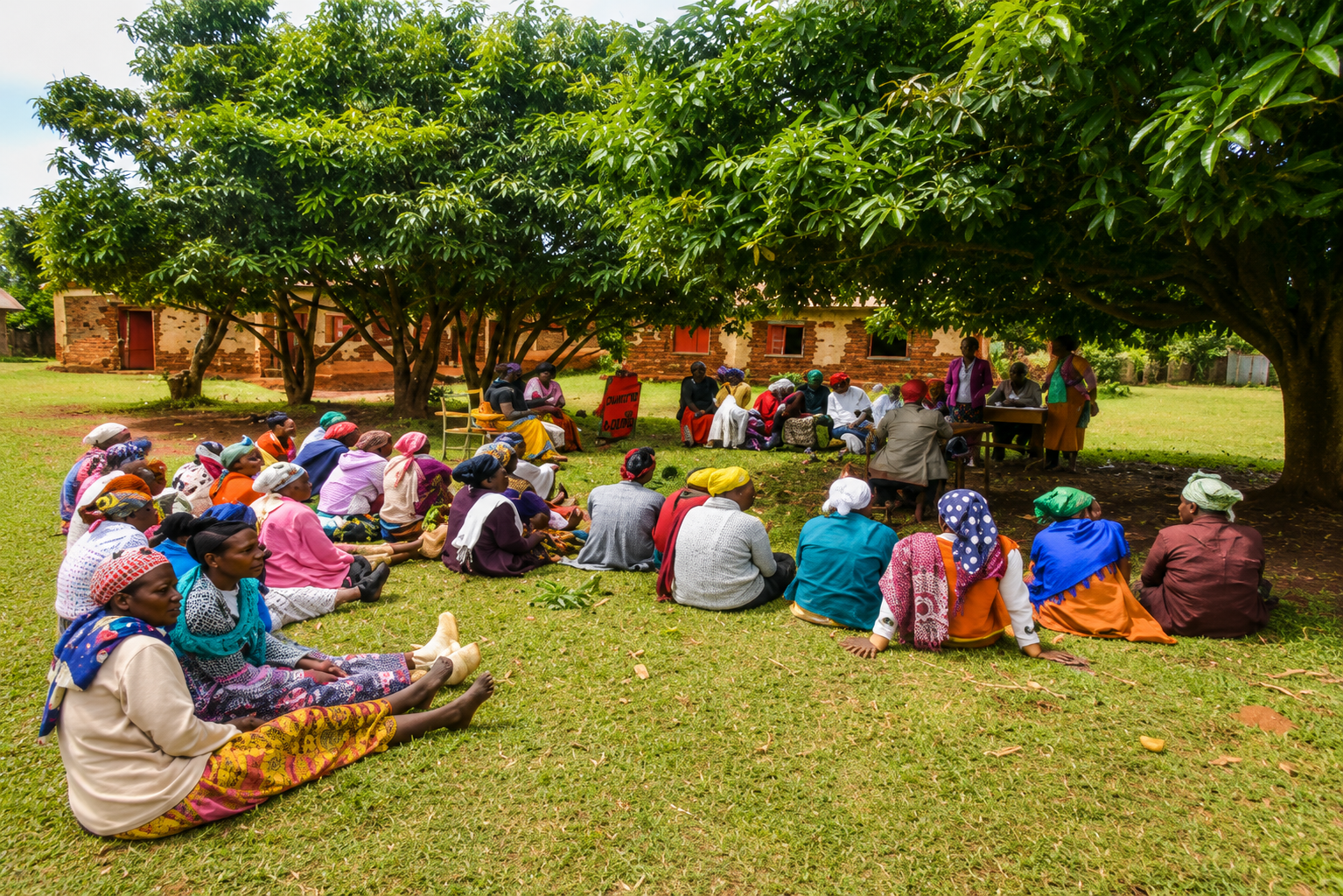
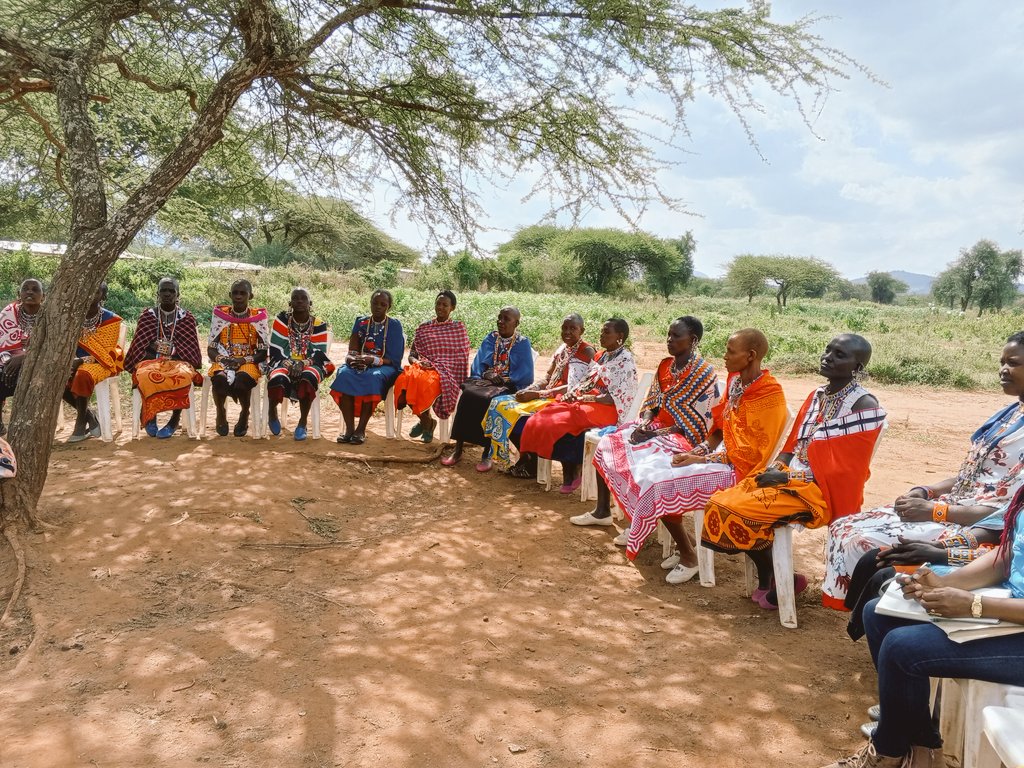
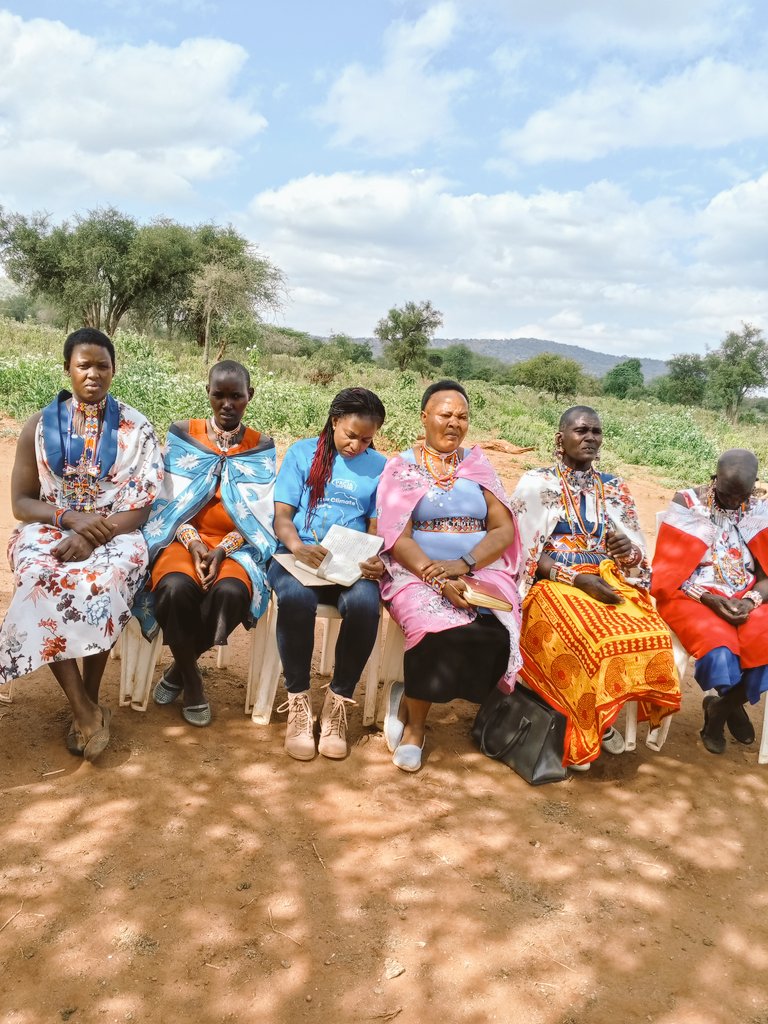
In Naibala village, a group of women highlighted their struggles. "Managing households and finding feed for our livestock has become increasingly difficult," one woman lamented. "The economic strain is immense, affecting our livelihoods significantly."
To combat the spread of Ipomea weed, CJIFA proposed innovative solutions. Community-Based Organizations (CBOs) have initiated projects to uproot and use the weed for charcoal briquettes, creating alternative income sources and preserving biodiversity. These efforts aim to prevent further spread and mitigate the weed's ecological and economic impacts.
Biological control methods and targeted grazing are also being explored to manage the weed effectively. The Ministry of Agriculture, Livestock, and Fisheries plans to integrate these strategies into the National Agricultural Value Chain Development (NAVCD) project, already operational in 33 counties, including Kajiado. Local SACCOs like UNITY SACCO are encouraged to align with NAVCD requirements to participate in this initiative, slated to commence in the next financial year.
The county government, in collaboration with CJIFA, is committed to a long-term strategy. This includes increased funding for research, community education, and policy implementation to safeguard against future invasive species threats. Local leadership supports these initiatives, demonstrating strong political will to protect Kajiado County's environment and enhance its residents' livelihoods.
https://www.cjifa.org/media-and-events/news/82-addressing-the-ipomea-weed-crisis-in-kajiado-county#sigProId0133925730